The Best Way to Prepare HVAC Systems for the Fall and Winter Months
It’s about to be the time of year when the heater will start seeing more and more use. When things start to cool down, there’s no better time to get a head start on heater maintenance. Even though the heater may not be seeing steady use for another month or so, it’s always best to act early on these things to avoid any issues down the line. So read on to find out how to prevent a heating emergency this fall or winter with heater maintenance.
What’s So Important About Heater Maintenance?
As mentioned above, the most important thing heater maintenance does is to help prevent a breakdown when the heater is needed most. These systems aren’t meant to run forever without care, which is exactly what maintenance is. But preventing emergencies isn’t the only thing that heater maintenance does.
Proper maintenance also helps to keep the system running smoothly and efficiently. When a heating system isn’t properly maintained, there are several things that can go wrong but won’t necessarily be noticeable right away. Instead, the efficiency of the system can suffer, which means that the heating bill can go up, costing the homeowners money.
When Is Too Early to Worry About Heater Maintenance?
HVAC experts suggest that maintenance should be done twice a year - once in the spring for the air conditioner and once in the fall for the heater. But is there such a thing as too early? Fall doesn’t technically start until the end of September, but that doesn’t mean late August or early September is too early. In fact, it’s often the best time to schedule maintenance.
Many people wait until October or November to schedule their maintenance, but when the heater first starts getting steady use is usually when things go wrong. Suddenly, all the HVAC professionals are busy because everyone is calling them to fix their broken heaters. So scheduling HVAC maintenance early is a great way to beat the crowds.
What’s Involved in Standard Heater Maintenance?
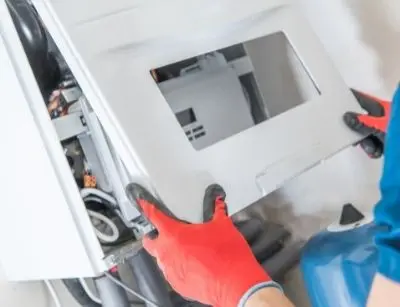
Fall heater maintenance is about more than just visually inspecting the unit and ensuring that it’s functioning properly to heat the home. In fact, it’s a complete diagnosis of the system, both inside and out. Some of the more important things done during heater maintenance include checking for vent and intake blockages, which can cause serious problems if not addressed. HVAC techs will also clean and inspect the ignitor, check the gas pressure, and check all the electrical connections. They will also check the heater exchanger, lubricate any moving parts, check the fan belt, and test the blower motor.
Fall maintenance also provides homeowners with the peace of mind that comes from having their heater checked. They can rest easy knowing that the heater is in good condition for the fall and winter. But it’s important for homeowners to get a trusted and reputable company to perform the maintenance!
About Laney's Inc.
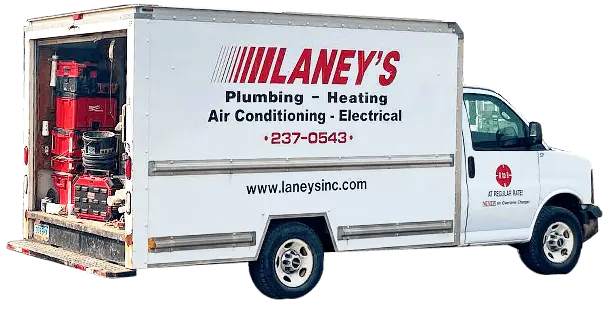
Laney's Inc. has been serving Fargo, ND since 1960. They offer trusted advice from expertly trained technicians. They also provide upfront service and honest pricing. Contact them today for fall heater maintenance.
Ensuring Clean Water for All Homeowners Is a Job Best Left to Local Plumbing Superheroes
Plumbers may not get a special day of appreciation like administrative assistants and grandparents, but they're no less deserving of our thanks.
Not only do they deal with the messy clogs, expensive leaks, and other problems that plague our pipes, but they're also part of the system that brings fresh, clean, and safe water right to our doorsteps every second of every day.
Just Another Day: Local Plumbers Bringing Clean Water to Communities in and Around Fargo, ND
Every time you turn on the tap in the kitchen, bathroom, or laundry room, and every time you flush the toilet or run the garden hose, you're tapping into an intricate system of plumbing and piping that carries fresh water for miles and miles throughout your neighborhood and city.
During the water’s journey, the pipes keep the water clean, protect it from contaminants, prevent it from getting lost along the way, and ensure it reaches your house ready to drink.
Because of the role these systems have in bringing fresh water from the source to your house, plumbers are an integral part of the system, making them essential in the process that provides your house and your community with water that’s clean and safe.
Water Conservation: Making Your Local Plumber’s Efforts Worthwhile
When you think about how much time, effort, labor, and skill goes into making sure you and your family have clean water, it’s no surprise that you should be taking steps to conserve this precious resource.
The good news is that reducing water waste is quite simple, and all you have to do is change a few habits around the house.
In the bathroom, flush the toilet less, take shorter showers, and don’t leave the water running when you're brushing your teeth.
In the kitchen, use the garbage disposal minimally, reuse cooking water in the garden, don’t run the dishwasher until you have a full load, and fill the sink or a bowl to hand-wash dishes and clean produce. In the garden, plant drought-resistant plants and grasses, collect water with a rain barrel and mulch the soil to preserve moisture.
The Effects of Drinking Unsafe Water
There are a number of pollutants that can make water unfit for drinking, including nitrates, pesticides, herbicides, bacteria, viruses, and heavy metals, to name a few of the most common. Here are some of the side effects associated with these specific contaminants:
Nitrites: Blue skin, respiratory distress, headaches, fatigue, and breathing difficulties.
Pathogens: Nausea, vomiting, cramps, diarrhea, and respiratory disease.
Heavy metals: Nausea, vomiting, confusion, numbness, headaches, weakness, joint and muscle pain, and coma.
Pesticides and herbicides: Weakness and fatigue, nervousness, loss of appetite and weight loss, sore joints, and irritation of the eyes, nose, throat, and skin.
One of the most important things you can do to help out your local plumber with both pipe maintenance and water conservation is a regular leak inspection. Every month or two, check your walls, floors, and ceilings for signs of water damage, and check hoses, faucets, showerheads, toilets, pipes, and appliances for leaks and drips.
This simple inspection could save you thousands of dollars, and thousands of gallons of wasted water that could be used for drinking, cooking, washing, cleaning, and all the other activities you rely on clean water for.
Local Plumbers Bring Clean Water Solutions to Fargo Communities
Local Plumbers Bring Clean Water Solutions to Fargo Communities
Residents of North Dakota know that we get the full brunt of seasons here in the state. So when summer ends, that means the arrival of autumn isn’t just about kids going back to school.
Temperatures are going to drop, plant life is going to wither, and if you have a modern heating system, you should start prepping it for the seasonal change in a few important ways.
Your Indoor Preparations
If you have a fully integrated HVAC system, that means you have a condenser built outside your home, and it takes air, cools it, then sends it to your furnace. Once the air is in your furnace, the fan pumps that cool air throughout the house.
This means that throughout the summer, even if your furnace hasn’t been heating the home, the filter inside it has been working all season long. It’s time to change that filter out and replace with a new one for the autumn season when your furnace finally goes back to work.
Once the air gets cooler, it also gets drier, which can lead to itchiness and discomfort. Some people have humidifiers installed to take care of this problem during the drier seasons.
Like your furnace, humidifiers also have filters that should be new for a new season of operation. Humidifiers should also be cleaned out, getting rid of scale or hard water build up that might have accrued during the previous year.
Your Outdoor Prep Work
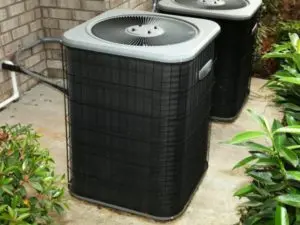
The seasonal preparations also extend to that condenser you have outside your home. Because of its function as, essentially, a big air intake and cooling unit, it’s designed with grates, to maximize the air, the fan sucks in.
This also means that some debris, such as leaves, can easily get into the condenser. Too much build-up of this kind of debris can hurt the condenser’s performance.
What you should not do to protect your condenser is go to a store and buy a sheath or cover that completely envelopes the unit, and leave that sitting on your condenser for months, once you switch over to your furnace. Moisture build up is another thing that affects a condenser’s performance and lifespan, and a cover can affect this. It may also unintentionally make the condenser a more tempting shelter for smaller animals.
Instead, when the leaves start falling, find some kind of cover for the top of the condenser to shield the topmost grates from falling debris. Once autumn has passed and there are no more leaves, remove the cover. Leave your condenser exposed to the elements; it’s been built specifically to take it.
Get Experts to Help
If you really want some peace of mind with regards to your HVAC system, have some experienced technicians brought in to inspect and maintain things. They can take a look at all the important components of both your furnace and condenser to make sure there no problems brewing.
They can even do extra maintenance, like cleaning your ventilation ducts to ensure another season of smooth operation. Just make sure to select the right professionals for the job.
Take a careful look at your options, and pick only licensed, reputable companies in the Fargo, ND area. Companies like Laney’s Inc, for example, have both the reviews and the reputation that ensures that your choice means your HVAC system will be well taken care of.
Want to Conserve Water? Have Fun and Save Water this Summer
Ah, the joys of summer. Thoughts of playing with water in the summer sun brings back nostalgic feelings for many.
However, at this time of year, it’s important to highlight water conservation and how parents and children alike can do their part to preserve this precious resource.
Whether you’re looking to cut down on your water bills, or simply want to do your part in conserving water in your area, we’ve put together some water-smart tips and tricks to help you reduce your overall water usage with your entire family this summer.
Using Water Hoses and Sprinklers
No matter your age, having fun in the sun running through sprinklers or being sprayed by a hose is one of the best parts of summer. These activities are cooling, energizing, and fun, but also use up a lot of water.
Luckily, these activities can still be enjoyed while being water-wise. To cool off on a hot day, let your child (and maybe yourself) run through the sprinkler for a limited amount of time while your garden is being watered.
Or, if you’re washing your vehicle, have your child help you out as you use a high-efficiency spray nozzle that allows you to control the amount of water being sprayed.
Conserving Water While Having Fun
Turning water conservation into a game is a great way to make it enjoyable for your whole family. Water conservation Bingo is a great option to try. Fill up a bingo card with water-saving activities, such as:
Keeping all showers under 5 minutes
Turning off the tap while brushing teeth
Choosing to have a shower over a bath
Whichever child can fill up their card the quickest can win a neat prize, such as a week off of chores, or being allowed to pick the next movie for your family movie night. Turn water conservation into a game and build it into your everyday routine.
Fun Outdoor Water Activities
Go outside and play in nature’s sprinkler, the rain
Save rainwater in a rain barrel and use it to make water balloons
Purchase a small pool that is equipped with a cover to avoid excess water evaporation
Things can get pretty hot in North Dakota when the summer finally arrives. Long days are accompanied by hot nights that can even feel a bit humid.
When things get like that, it can be difficult to feel comfortable or even get a good night’s sleep, but that’s why we have air conditioners.
But it’s when those air conditioners stop working properly that things need to get addressed quickly. Your AC is supposed to cool air in the condenser unit outside your home and then send that cold air to your furnace to be pumped throughout the house.
If hot air is coming through instead, there could be a few reasons for that.
Your Breaker or Fuse Is Out
If you’re feeling hot air coming into your home during the summer, this means your furnace is fine.
The fan in your furnace works both during the winter to circulate warm air, and during the summer to pump that cold air through your home.
However, it’s supposed to get cold air from your condenser. If you check your condenser and the fan isn’t spinning, this means that it’s probably no longer getting electricity to operate.
If you’ve had a power surge recently, check your circuit breaker and see if you need to reset the switch for your AC. Or, your particular model of AC may have its own fuses, which means you should replace them.
Your Condenser Is Frozen
When your AC is blowing warm air, the condenser should always be one of your stops to check on the condition of your cooling system.
But don’t be surprised if you inspect it and find that it’s turned into an ice cube.
This is not that uncommon a problem.
Unfortunately, all that ice on your condenser means that cool air is being correctly produced, but it’s not moving from the condenser down to your furnace, where it should be ventilated.
Instead, it’s staying outside, where it does you no good.
There could be an air flow blockage preventing the cool air from moving, or some mechanical defect.
Refrigerant Leaks
An air conditioner operates primarily due to chemicals called refrigerants. These chemicals have an amazing physical property; when they change states from liquid to gas, they absorb heat, leaving only cold air afterward.
Air conditioners use this property, constantly converting refrigerants from liquid to gas and back again.
It doesn’t burn up, it’s just constantly changing states, so you don’t have to worry about “refilling” your AC with it under normal circumstances.
If components in your AC that store refrigerants are pierced, and you start leaking refrigerant, this effectively nullifies your AC’s ability to cool things down until you get more.
Replacing refrigerant however, can be a technical, elaborate process and is best left to certified experts.
The Summer is Coming. Is Your Air Conditioning Prepared?
As a homeowner, you understand the value of preventative maintenance to keep major repairs and major costs at bay.
When it comes to your home’s comfort systems, you need to keep ahead of the season by attending to maintenance before it is needed.
That is why you should spend some time this spring to get your air conditioning ready to go so that you can reliably stay cool all summer long.
Here is a compilation of our best tips to help you get started.
Signs That you Need to Replace Your Air Conditioner
You probably already know that your air conditioner will not last forever, but how do you know when replacement is necessary?
The first clue is your unit’s age. If it is more than 10 years old, there is a good chance that it is on its way out.
Typically, air conditioners only last 10-15 years, tops.
If you experience any of the following, you should look into getting your unit replaced right away, or you may be faced with a broken system this summer:
strange sounds
moisture on or around the unit
foul odors
rooms that won’t get cool
low airflow
inexplicable increases in your energy bills
Schedule Your Inspection
To ensure that your system is in top working order, schedule an inspection every year, preferably in the spring.
This is because the temperature is mild enough to make sure that everything is working, but you will have time to tend to issues before the soaring heat of summer arrives in full force.
There are a number of benefits to an annual inspection.
You save money on your energy bills because your air conditioner will be clean and working efficiently.
You save money because your unit’s lifespan will be extended with maintenance.
You also get peace of mind because you know that your system is in great shape for the coming season.
Appropriate Thermostat Settings
It may sound a little high, but if you can leave your thermostat around 78 °F, that will create an energy efficient environment for your air conditioner.
To reduce room temperature more, run fans in your rooms and close the curtains during the day to keep the sun out.
If it cools down enough at night, turn the A/C off and open the windows for cooling by Mother Nature.
These low-tech tricks will reduce your indoor heat substantially.
A Few HVAC Maintenance Tips that Make Preventing Costly Repairs Easy
HVAC is a crucial part of home life that a lot of homeowners tend to forget. It’s not hard to see why since central heating and air conditioning are usually tucked away, out of sight, usually in the basement, where no one has to deal with it.
But an HVAC system is the piece of technology that allows people in North Dakota to live, sleep and even work in comfort in their homes during the winter, or beat the heat in the summer. And while it works hard for you all year long, that doesn’t mean it can run endlessly without problems.
But we have some tips you can easily implement to make sure your HVAC continues to run smoothly.
Inspect Outdoor Fixtures
Modern furnaces and air conditioners will require ways to both take in air to process, as well as to purge waste, such as steam, or even water.
To ensure that you get maximum performance out of your HVAC, it’s important that these intakes and outlets have clear, unobstructed flow.
That’s why it’s a good idea to periodically check out these fixtures outside.
Your condenser has many openings for taking in that outside air, and they can easily be blocked by dirt, leaves, or other outdoor debris.
The vents for spewing steam from a furnace may get occupied during the summer by a bird that thought the opening would make a good nest.
Make sure this hasn’t happened to you.
Replace Filters Regularly
The usual standard for replacing the filter in your HVAC system is three months, but this can vary a lot depending on what kind of home life you have.
For normal households, a seasonal change is enough, as the filter captures and holds onto a normal number of contaminants and prevents them from being circulated throughout your home.
For other homeowners, you may need to change the filters more frequently.
If you have a lot of pets, if you or other members of the household are smokers who light up indoors, or even if you have a hobby like woodworking that releases a lot of sawdust into the air from your home workshop, this changes things.
Get a Yearly Tune Up
When you’re driving a car all year, a tune-up is always a good idea, and that’s something most people will leave to a qualified mechanic.
The same is true of your HVAC system and experienced technicians.
Get the help of a professional who can do a quick, technical inspection of all aspects of your HVAC system and give it the care it needs.
The coolant in your air conditioner may need refilling, or some parts of your ventilation system may need to be cleaned out.
This can often find small problems and take care of them before they balloon into costly repairs at a later date.
On April 22nd, we recognize a special event known as “Earth Day” where we take the time to really think about our planet. Most of us only have one home, and we take good care of it, and the same is true about the world we live in.
And, just like our homes, our planet is a place we live in with our family, and will someday leave to them and their future generations. So in recognition of just how important it is take care of our world, we’re going to look at ways that even something like plumbing can make a positive contribution to the environment.
Start Using Eco-Friendly Plumbing Fixtures
Your plumbing itself can be kinder and friendlier to the environment in two ways. Either it can be smartly constructed in ways that are not negatively impactful to the environment, or it can be more efficient with water usage, letting you use less. Sometimes, they can even be both!
Vetrazzo, for example, is the name for a special, certified material that uses recycled glass from windshields and other sources. Vetrazzo material can be used for things like countertops, while FSC certified wood, from sustainable forests, can be used in many different projects.
You can even try using a low-flow toilet or water efficient showerhead that reduces your water usage and the bills you pay.
Shrink Your Carbon Footprint
Carbon dioxide, or CO2, is a gas that acts like an insulator, allowing the atmosphere to hold in more heat. When too much CO2 builds up, which is what is happening now, we get global warming.
But there are ways to help reduce how much CO2 is added to the atmosphere with each passing year. Your carbon footprint is how much CO2 you are adding to the atmosphere.
You can shrink the size of it by using more energy efficient plumbing. You can also shrink it by buying products that themselves have a low footprint during manufacturing.
Use a Water Filter
If you have old pipes in your home, you may be introducing lead into your drinking water. Even if you don’t, the water we typically get to use in our drinking and cooking has chemicals present like chlorine that are an efficient “scorched earth tactic” for killing off bacteria and making it safe for consumption.
By installing a water filter, either on your tap or in your home plumbing, you can clean out the water of every added component—including sanitary chemicals—and drink purer, cleaner, safer, better tasting water.
Switch Over To a Tankless Water Heater
A normal water heater has a big tank where water is stored in large amounts. Electricity or gas is then used to heat up the large volume of water in the tank to get it ready for dishwashing, showering, or whatever else requires hot water.
As the name implies, a tankless water heater gets rid of the tank and heats the water directly in your pipes. It’s much more energy efficient, so not only do you use less water and electricity when it’s heated up, you pay less.
You are no doubt aware of how water is essential for life. But did you know that we are experiencing a global water crisis? Despite the fact that 70 percent of the earth is covered with water, 1 in 9 people in the world don’t have access to clean water.
To draw awareness to this troubling situation, the United Nations established World Water Day in 1993. It is observed every year on March 22. The purpose of this day is to educate the public about the water crisis, but also to remind people that they can do a great deal to reduce their own personal water use.
Some Facts About the Water Crisis
In poorer countries, lack of access to clean fresh water is more common. Sub-Saharan Africa is the region that is in most need. Inadequate water supply and sanitation contribute to a variety of waterborne illnesses. In fact, it is estimated that nearly half of the hospital beds in the world are filled with people suffering from a water-related disease.
But there is hope, both through awareness and through investment. The World Health Organization says that for each dollar spent on water and sanitation, there is an economic return of between $3-$34.
Conserve Water at Home
It’s estimated that only 10 percent of the world’s water use happens within your home. That said, there are a number of steps that you can take on a daily basis that will help save water and help with the crisis. Another bonus is that saving water means saving you money too.
In the kitchen, don’t run the dishwasher unless it is full. When washing dishes, don’t leave the tap running to rinse them. Similarly, don’t leave the tap running when washing veggies.
In the bathroom, shorten your shower time. Turn off the tap when you are brushing your teeth. Don’t rinse out your razor under running water. Instead, fill the sink with an inch of water and do it that way.
Outside, don’t water your lawn unless you really have to. When you do, only water in the early morning or evening, when the heat of the day won’t evaporate the water.
Don’t use a hose to water your garden; use a watering can instead. Put in a rain barrel to collect water to water your garden. When you turn sprinklers on, make sure that they are watering the grass and not the pavement and gutters.
Fix Your Plumbing for Water Conservation
Don’t let leaks linger in your home, because a leaky pipe, faucet or toilet can waste loads of water. If you see pooling water, mold growth or damp spots, you may have a leaking pipe to blame. Tighten leaky faucets and install an aerator to help with water flow.
Leaky toilets can be hard to diagnose, but here is an easy test. Put a few drops of food coloring in your toilet tank. Don’t flush and wait about 10 minutes. If the color has made its way into the toilet bowl, then you have a leak.
Our team at Laney's Inc. can show you how to save water at home. In Fargo, ND, call us at (701)-237-0543.
Sometimes it’s the little things that make us wonder how they came to be that way… Do you know which direction your toilet bowl swirls? Take the video quiz below to find out! You may be surprised to see what you find.
The experts at Laney's Inc., in the Fargo, ND area, are always willing to share their knowledge with you. If you're interested in learning more contact us at (701) 237-0543.
One-Stop Resource
Whether you need plumbing, air conditioning, heating, or electrical services, Laney’s Inc. does it all! We’re your one-stop shop in Fargo.
Honest Advice
We’ll never try to upsell you on something you don’t need. You can trust that any advice from our professionals is aimed at getting you exactly what you need.
Competitive Pricing
Our pricing is competitive because we believe professional services shouldn’t come at the expense of financial peace.








 The seasonal preparations also extend to that condenser you have outside your home. Because of its function as, essentially, a big air intake and cooling unit, it’s designed with grates, to maximize the air, the fan sucks in.