

A Few Tips as You Clean Summer Debris This Fall
It can be amazing how much debris builds up in your home and yard over the summer. Between extra time outdoors, barbecues, lots of people coming and going, gardening and extra pollen in the air, summer can really take a toll on your home. This is especially true when it comes to your home’s indoor air quality.
If summer has left behind debris in your home, fall is the perfect time to be proactive about clearing it away and working to clean the air in your home. To help you with this process, here are a few tips to make it a little easier for you to get a clean home and clean air this fall.
Ensure that Your Air Filters are Clean
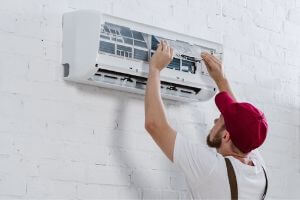 Whenever you start to talk about clean air, it seems that air filters are one of the first things to come up. However, given their role in keeping your home’s air clean, this only makes sense.
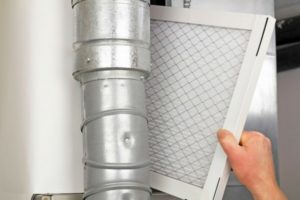
Air filters help to keep allergens, pollutants, and other particles from circulating throughout your home. As such, they play an integral role in making sure that your indoor air is clean and safe.
However, when your air filters are dirty, they not only can’t keep your air clean, but they also put an extra strain on your HVAC unit. Avoid these issues by ensuring that your air filters are clean and in good condition.
Even if you regularly replace your air filters, it’s still a good idea to check them at the end of the summer. The summer months put an additional strain on air filters, often making it necessary to replace them more frequently than you usually do. Knowing that they’re under additional pressure this time of year, make sure that you take a moment to check and replace them this fall!
Be Aware of the Cleaners you Use in Your Home
 As you work to scrub and clean away extra dirt, pollen and debris in your home, make sure that you pay attention to the cleaners that you use.
While cleaning can be a great way to improve the air quality in your home if you’re using cleaners with lots of chemicals it can actually have the opposite effect.
One easy way to make sure you’re helping to create clean air is by using all-natural cleaning products. The great news is that you can even make your own products using vinegar and water, tea tree oils or baking soda. These natural products are safe and effective and will give you the peace of mind to know that your family isn’t breathing any dangerous chemicals.
Take a Moment to Check for Gas Leaks
 While you’re focusing on clean air, it’s a good idea to take a moment to check for gas leaks. Gas leaks can lead to serious safety issues and can pose concerning health hazards.
Consequently, it’s important to locate and address any gas leak as soon as possible. In an effort to do this, take a moment this fall to check for any gas leaks or any concerning areas in your gas line.
This is one simple way to help ensure that your home’s air is clean and safe. We hope you had a great summer and that you’re having no trouble cleaning away some of the lingering debris from the season. But, if you have any questions or concerns about your home’s air quality, call Laney’s Inc. today at (701) 237-0543.

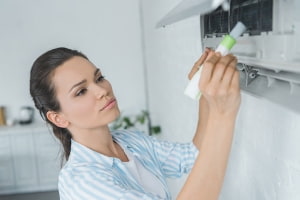 It is said that historically, March was considered the perfect time to dust in your home, because it was warm enough to open the windows and allow the dust to b blown out by the breeze, but cool enough that bugs would not be a problem.
 It’s always a good idea to keep tabs on your air quality throughout the year. That way, you’ll be aware if it decreases due to higher pollen count, excessive dust, or even a deadly gas leak.
 And while we're on the subject of spring cleaning, and improving our indoor air quality, it wouldn't hurt to schedule an appointment for a routine HVAC inspection and tune-up.
 Fortunately, provided you don’t physically interfere with your air ducts, these important parts of your home generally take care of themselves and, like your drainage pipe, require very little servicing.
 Under ordinary circumstances, your air ducts will largely take care of themselves. If you want the peace of mind that comes from knowing your ducts are clean, a good average is between 3-5 years for a cleaning.
 One of the best things you can do is help keep your air ducts cleaner between professional air duct cleaning sessions. This isn’t that hard to do, it just means you remain diligent about other, necessary household chores.
 Unless the temperature outside is forbidding it, do not turn on your HVAC system while workers are actively working in your home.
 One of the best ways to manage your indoor air quality is to use fans and open windows in the sealed off rooms to direct paint, glue and varnish fumes outside.