Air Filters and How Often to Replace Them Explained

Person replacing air filter in HVAC system, emphasizing importance of air quality and maintenance for efficient heating and cooling.

All About AC and Furnace Filters

Air filter replacement is vital for good indoor air quality and reducing allergy symptoms. This article explores the role of air filters in heating and air conditioning systems, including what they do, how often they should be changed, and the advantages of replacing them when needed. Understanding how air filters function can significantly improve indoor air quality and system performance.

What Do Air Filters Do?

When creating a healthier, more efficient home environment, few things are as cost-effective or as often overlooked as the air filters in a heating and air conditioning system. These simple yet powerful components trap contaminants and pollutants before they circulate throughout the home. Whether dust, pet hair, or other allergens, air filters are the home’s first barrier against particles that compromise comfort and health.

Clean air filters also significantly impact the performance of heating and cooling systems. As air circulates through the HVAC system, it passes through a filter designed to catch debris before entering the ductwork or settling on sensitive parts like the evaporator coils or blower motors. If a filter becomes clogged, airflow is restricted, forcing the system to work harder. This results in unnecessary energy consumption and puts additional wear on the equipment, shortening its lifespan and leading to costly repairs.

Regular filter replacement ensures the system can run smoothly and efficiently. It protects internal components from dirt buildup, helping keep energy bills low. Plus, homes with clean filters tend to have less dust buildup and a more consistent comfort level. For homeowners, replacing filters regularly is an easy habit that pays off in cleaner air, reduced costs, and longer-lasting HVAC performance.

How Often Should Air Filters Be Replaced?

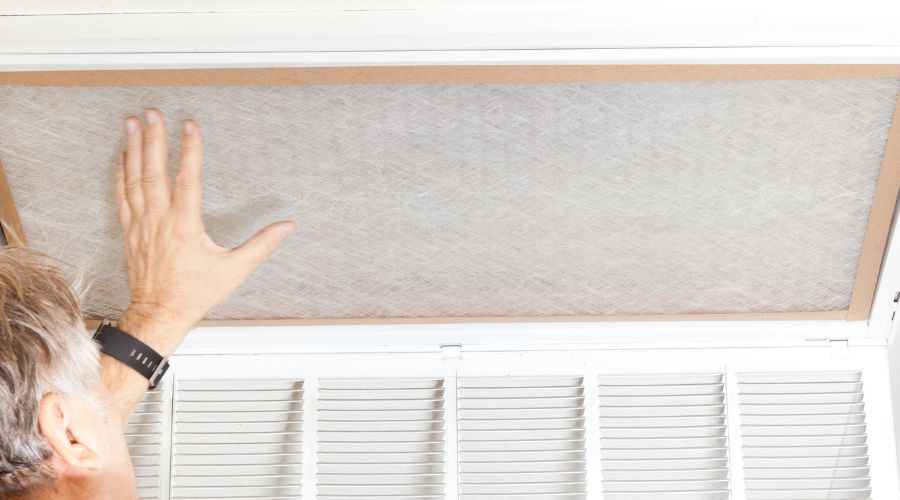
Dirty air filter showing significant dust buildup, emphasizing the importance of regular HVAC filter replacement for optimal system performance and indoor air quality.Regular air filter replacement is crucial for maintaining clean air, optimal HVAC performance, and a healthy indoor environment. Most filters should be changed every 1–3 months, although this varies depending on filter type, household conditions, and environmental factors. For example, basic fiberglass filters often require more frequent replacement than pleated filters. A simple way to check the filter condition and determine whether it needs replacing is to hold it up to a light source; if light cannot pass through, it should be replaced. Or if it looks visibly dirty, it should be replaced.

Certain conditions also necessitate more frequent changes. Homes with pets accumulate more dander and fur, which warrants more frequent AC and furnace filter replacements. Similarly, households in dusty environments or experiencing high pollen levels benefit from filter changes more often. A clogged filter can reduce system efficiency, leading to higher energy bills and diminished performance.

For individuals with allergies, asthma, or other respiratory concerns, filters can also be replaced more often to minimize triggers and support cleaner breathing environments. Homes with multiple occupants or frequent visitors often see a quicker buildup of particles, making timely filter changes even more important. Consistent maintenance not only supports respiratory health but also helps avoid expensive HVAC issues in the future.

Benefits of Timely Filter Replacement

Woman holding a pink piggy bank symbolizing savings and financial wellness.Replacing air filters on time offers numerous benefits, both immediate and long-term. Clean filters enhance HVAC efficiency, reducing energy usage and saving money on utility bills, while also promoting healthier indoor air. This simple task also plays a major role in protecting a home’s heating and cooling investment, helping extend the lifespan of HVAC equipment.

Proper filtration significantly reduces the concentration of the air's allergens, dust, and other contaminants. According to the EPA, indoor air may be two to five times more polluted than outdoor air, making regular filter maintenance a crucial step in safeguarding respiratory wellness. As filters become saturated, their ability to trap harmful particles declines, allowing pollutants to circulate freely.

Timely filter changes also help HVAC systems operate efficiently by preventing restricted airflow, which forces systems to overwork. Clean filters reduce wear on internal components, lowering the risk of breakdowns and prolonging the system's life. Changing filters when needed also helps save around 5–15% on utility bills. Consistent filter replacement is a cost-effective way to protect HVAC systems and ensure clean, healthy air throughout the home.

About Laney’s Inc.

Laney’s Inc. is a trusted plumbing, electrical, heating, and cooling service provider based in Fargo, ND. Since 1960, the company has proudly served the area, offering 24/7 emergency service with no overtime charges. Call them for heating and air conditioning services in Fargo, ND!

Distribution Links +

Ensure Sump Pumps Are Ready and Working for the Rainy Season

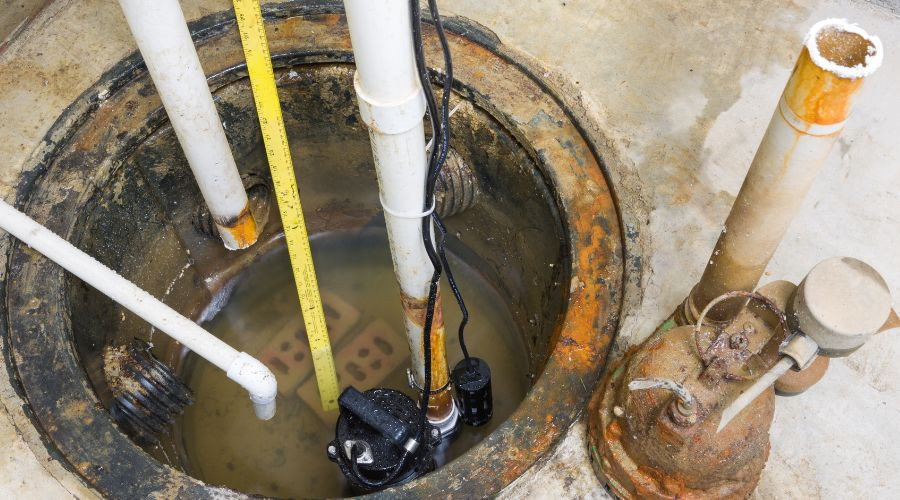
Sump pump installation in a sump pit with water, pipes, and measuring tape, emphasizing maintenance for flood protection in homes.

Keep Sump Pumps Operational to Protect Homes From Flooding and Water Damage

North Dakota homeowners should ensure their sump pumps are functioning correctly to prepare for spring rains and snowmelt, as well as the wettest month of June and any other situations that can cause flooding and water damage. A sump pump is a water management system that serves as protection against home and basement flooding, and the issues it can cause, like expensive water damage and mold growth. However, they need to be working correctly to be able to prevent flooding and protect the house. This blog post will discuss how sump pumps work and ways to keep them operational. 

How Do Sump Pumps Work?

Submersible sump pump in a garden setting, showcasing the float switch and discharge pipe, relevant for homeowners preparing for flooding and water management.Sump pumps defend the home against flooding during spring thaws, storms, heavy rainfall, and other situations where flooding can occur. They automatically activate when water levels rise in the sump pump basin or pit, which is installed at the lowest point of the home or basement. When water reaches a certain level in the pit, a float switch or pressure sensor triggers the pump, which then channels water out of the basin and away from the home and its foundation through a discharge pipe to avoid flooding and water damage.

Most residential properties have one of the two types of primary sump pumps. A submersible sump pump operates while completely underwater in the sump pit, making it quieter and more powerful than pedestal models but more expensive. A pedestal sump pump, with its motor positioned above the pit, offers easier access for maintenance and repairs and costs less, but is louder and less powerful.

How to Make Sure a Sump Pump Is Working Correctly 

Sump pump installation in a basement pit with visible discharge pipes and a red testing device, illustrating essential components for preventing flooding.Regular sump pump testing and maintenance are important to ensure it works and is ready to protect the home from flooding if needed. In order to test the sump pump, start by pouring a bucket of water into the sump pit, enough to raise the float and activate the pump automatically. Then it should remove the water through the discharge pipe and automatically turn off when finished. If it doesn’t turn on, remove water effectively, or homeowners notice any other issues during the test, professionals should be called for sump pump repair. This simple test can reveal potential problems before the sump pump is needed, preventing expensive flooding disasters.

In addition to routine tests, professional sump pump maintenance is recommended annually. This allows a plumber to inspect and thoroughly evaluate the sump pump's condition, including components like the motor, float switch, and discharge pipe. They can catch and address any potential problems before flooding occurs. With proper maintenance, the sump pump will be more reliable when it’s needed most.

The Importance of a Sump Pump Backup

While testing and maintaining a sump pump is important to make sure it’s operational, installing a sump pump backup system is crucial for complete flood protection. In the event the primary sump pump malfunctions and fails to function when needed, or is overwhelmed by the amount of water, the backup sump pump can take over and prevent flooding and its costly consequences. 

Besides excessive water volume or sump pump failure, a backup sump pump is important for power outages, which often coincide with storms that can cause flooding, rendering electric-powered sump pumps useless precisely when they are needed. When the primary sump pump loses power, the backup sump pump can take over to protect the home. A battery-operated backup sump pump and a water-powered backup sump pump are two popular sump pump backup options that do not rely on electricity to operate, helping to prevent flooding and helping homeowners avoid thousands of dollars in water damage repairs if the primary sump pump fails to function.

About Laney’s Inc.

Laney’s Inc. has more than 60 years of experience serving the Fargo community. They provide competitive pricing, honest advice, and old-fashioned customer service. Call them for sump pump installation and repair services in Fargo, ND

Spring AC Maintenance: The Key to a Cool and Comfortable Summer

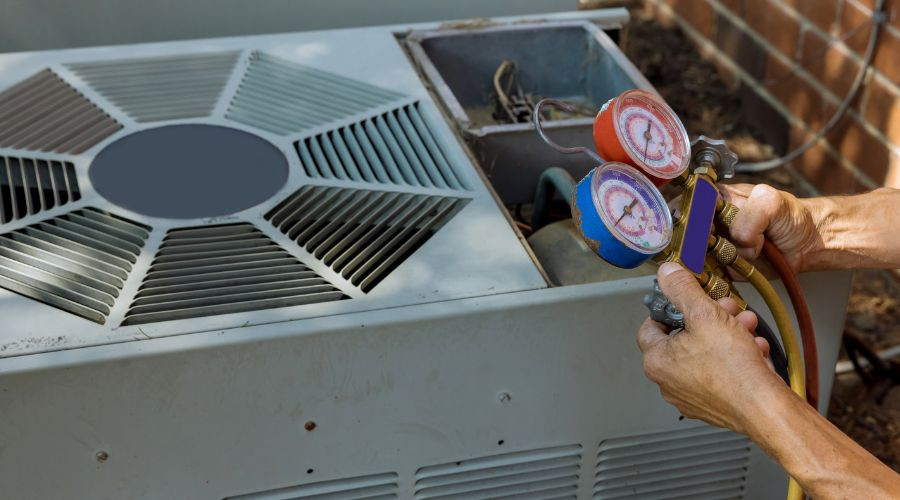
Hands holding pressure gauges on an air conditioning unit while servicing HVAC systems for home maintenance.

Benefits of Annual AC Maintenance

An efficiently maintained AC system means fewer breakdowns, lower repair costs, and greater comfort throughout the year. Regular HVAC tune-ups enhance energy efficiency, extend equipment lifespan, and give homeowners peace of mind. By taking proactive steps, it’s possible to ensure optimal performance and long-term savings. This guide offers expert insights on keeping air conditioning systems running smoothly.

Energy Efficiency

Person adding coins to a jar while organizing stacks of coins on a table, illustrating the importance of saving and financial management.Annual AC maintenance is essential for maintaining energy efficiency and controlling utility costs. During a professional tune-up, technicians clean vital components like condenser and evaporator coils, accumulating dirt and debris over time. According to the Department of Energy, clean coils improve heat transfer and can enhance efficiency by up to 30%, significantly reducing electricity bills.

Beyond coil cleaning, technicians check refrigerant levels to prevent overworking the system, which leads to higher energy consumption and inadequate cooling. They also calibrate thermostats and inspect electrical connections to identify and resolve efficiency issues. Despite consistent usage, rising energy bills often indicate system inefficiencies that maintenance can correct.

Homeowners can further improve efficiency between service visits by replacing air filters regularly. Clogged filters restrict airflow, forcing the system to work harder. Changing filters every 1-3 months promotes better airflow, reduces strain on mechanical components and helps sustain peak performance throughout the cooling season.

More Reliable With Fewer Repairs

Technician performing maintenance on an air conditioning unit, using a torch to heat refrigerant lines, highlighting the importance of HVAC service for energy efficiency and reliability.Annual AC maintenance significantly minimizes potential breakdowns or system failure during peak summer months. Tune-up in the spring allows AC technicians to find and solve minor issues before they turn into costly repairs. This proactive approach ensures the system operates efficiently and reliably. As a result, it provides uninterrupted comfort when temperatures rise.

The Department of Energy highlights that unmaintained HVAC systems can lose as much as 5% of their efficiency each year. This drop can lead to increased energy consumption and more wear on the system. During maintenance visits, AC professionals check refrigerant levels, clean the coils, and test electrical components to ensure everything runs smoothly and to avoid future breakdowns.

Homeowners can breathe easily during the summer if their AC system is well cared for. It's important not to overlook minor issues, as doing so could lead to expensive repairs down the line and the hassle of emergency service calls during peak demand. By investing in preventative maintenance, air conditioners can run smoothly, delivering consistent cooling while keeping energy costs down, ensuring a hassle-free summer experience.

Longer Lifespan

Routine maintenance significantly extends an air conditioner’s lifespan by reducing wear on critical components. Dust and debris buildup force the system to work harder, increasing the risk of premature failure. Professional servicing ensures that coils, filters, and moving parts are cleaned, lubricated, and inspected, preventing unnecessary strain.

A well-maintained air conditioner can last well over a decade, while neglected systems often suffer frequent malfunctions and early failure. Scheduling a professional tune-up each spring protects the investment and ensures reliable performance throughout the summer months.

About Laney’s Inc.

Since 1960, Laney’s Inc. has provided trusted plumbing, heating, and air conditioning services in Fargo, ND. With a team of over 100 professionals, they offer 24/7 service with no overtime charges, a free second opinion, and solutions that are fixed right the first time. Committed to honesty and customer care, they ensure fast, reliable service with no mess left behind.

The Basics of Water Heater Maintenance and Its Benefits

White water heater with pipes and gauge against neutral wall, featuring operational safety information for home maintenance.

Water Heater Maintenance Explained

The water heater is an important household appliance that some people may rarely think about until they are shocked by an ice-cold shower or faced with a costly emergency repair. Yet this hardworking appliance silently provides comfort and convenience to daily life, heating anywhere from 50 to 80 gallons of water each day for a family's needs. 

However, regular maintenance of the water heater isn't just about preventing those dreaded cold showers. It's also about protecting a homeowner’s investment by extending the unit's lifespan, ensuring energy efficiency, and saving homeowners money. This post will discuss water heater maintenance and why it should be a priority for every homeowner.

What Is Done During Water Heater Maintenance

Water heater maintenance scene showing a drained tank with a green hose connected to the drain valve, highlighting sediment buildup and the importance of regular maintenance for efficiency and longevity.Regular water heater maintenance encompasses several critical tasks impacting the unit's efficiency, performance, longevity, and safety. One essential maintenance procedure is draining and flushing the tank to remove sediment buildup, which occurs due to minerals naturally present in the water. This sediment layer can significantly reduce energy efficiency, cause problems heating the water, and eventually lead to tank corrosion if left unaddressed. Additionally, checking and replacing the anode rod, a sacrificial component designed to prevent tank corrosion, is crucial for extending the water heater's lifespan. A deteriorated anode rod leaves the tank vulnerable to rust and potential failure.

Testing the temperature and pressure relief (T&P) valve is another essential maintenance task that should never be overlooked, as this component serves as a critical safety feature. The T&P valve prevents dangerous pressure buildup within the tank by releasing excess pressure when necessary. During maintenance, professionals will also inspect the unit for problems and check electrical connections in electric water heaters or gas lines and burner assemblies in gas models, ensuring all components are functioning correctly and safely. These routine checks help identify potential issues before they develop into costly repairs or dangerous situations while maintaining optimal energy efficiency and performance.

Benefits of Routine Water Heater Maintenance

Child inserting a coin into a smiling pink piggy bank, emphasizing savings and financial responsibility.Regular water heater maintenance delivers numerous benefits for households. By investing in routine maintenance, homeowners can significantly improve their unit's energy efficiency, and this enhanced performance results in cost savings on monthly utility bills. Additionally, well-maintained water heaters deliver more reliable hot water output with fewer problems and a lower risk of needing water heater repair

Another benefit of regular maintenance is the extension of a water heater's lifespan, potentially adding years of service and preventing the need for water heater replacement as frequently. Preventive maintenance helps identify and address minor issues before they escalate into major problems, reducing the likelihood of unexpected breakdowns and costly emergency replacements and repairs. The investment in annual maintenance is minimal compared to the expenses associated with premature replacement or emergency service calls, making it a financially sound decision for homeowners who want to protect their investments and ensure a reliable hot water supply for their households.

How Often to Schedule Water Heater Maintenance

Regular water heater maintenance is crucial for its longevity and efficient operation, with professional inspections and maintenance recommended at least annually. During these annual service visits, a qualified technician should perform essential maintenance tasks such as flushing the tank to remove sediment buildup, checking the pressure relief valve, and inspecting all connections and components for signs of wear or potential issues. However, when a home has hard water, this can speed up sediment buildup in the tank and wear and tear on the anode rod, which may require maintenance more often. 

The anode rod should be checked during the maintenance inspection but typically requires replacement every three to five years under normal conditions. This sacrificial component protects the tank from corrosion by attracting corrosive elements in the water. However, when a home has hard water, sediment can build up more quickly, requiring a drain and flush of the tank every six months or so, and the anode rod can deteriorate more quickly and require replacement as frequently as every two years.

About Laney’s Inc.

Laney’s Inc. has nearly 60 years of experience serving the Fargo area. They offer honest advice, competitive pricing, and friendly experts. Call them for water heater maintenance and services in Fargo, ND.

Benefits of Ductless Mini Split Heat Pumps

Air conditioning unit outdoor condenser by Laney's Inc., featuring a modern design, white color, and efficient components.

Upgrade the Home With Ductless Mini Splits

In a region with such extreme weather conditions, having top-notch heating equipment is essential for homes. Traditionally, homeowners primarily relied on fossil fuels for heating due to the lack of energy-efficient alternatives. However, advancements in the HVAC industry have introduced electric-only options that local residents can now explore. Here are three compelling reasons why making the switch to mini-split systems is a smart choice.

Lower Energy Bills

Person adding coins to a jar, representing savings and lower energy bills associated with switching to ductless mini-split heating systems.One of the major disadvantages of heating with fossil fuels is being subject to price fluctuations. During the winter, all heating fuels increase in price when the demand is highest, putting a serious strain on a home’s budget. By switching to electric heating with mini split heat pumps, homeowners can enjoy more predictable bills, comparable to cooling bills in the summer. 

Ductless mini splits utilize heat pump technology to provide heat, which has been hundreds of times more efficient than burning fossil fuels, even in the local climate. Countries like Norway rely almost exclusively on mini-split heating to survive the harsh winter. By choosing this efficient technology, local homeowners can keep warm in the winter without suffering from high heating costs. 

Get Easier Installation

Heat pumps are a great way to get lower bills during the winter, but the best way to experience the benefits of heat pumps is with mini split heat pump systems. Instead of utilizing existing ductwork, mini-split systems take a new approach to climate control. In a normal central AC system, the conditioned air is moved around the home. 

In a mini split heat pump, the refrigerant is pumped to individual heads to provide the heating or cooling power needed. Without the bulky and expensive ductwork, mini-split systems can be installed easily and more quickly, especially in places that may not be able to accommodate ductwork. For true versatility, mini splits are the best choice.  

Enjoy Flexibility

Mini-split heat pump system mounted on a wall, showcasing energy-efficient climate control without ductwork, relevant to home heating and cooling solutions.One of the major disadvantages of a central AC system is that it is controlled by a single central thermostat. This fact has several important implications. First, when the thermostat is centralized, it can’t control temperature very precisely. Too often, the rooms near the home's exterior or near outside doorways become much colder than the rest of the house, making spaces uncomfortable. Secondly, the ductwork in a central system is very inefficient. As conditioned air is moved to the outer portions of the home, much of the heat energy in the conditioned air is lost, further contributing to uncomfortable spaces. 

Mini-split heating and cooling systems address both of these issues effectively. First, these systems are designed with individual zones that can be controlled independently. Each room typically has its own zone, allowing occupants to set their preferred temperature for optimal comfort. Second, by eliminating ductwork, all heat energy is directed precisely where it is needed, enhancing comfort and improving overall efficiency.

About Laney's Inc.

Laney's Inc. offers honest advice concerning heating and cooling upgrades, providing personalized solutions and ensuring your problem is solved the first time. They handle heat pump repairs and ductless mini-split installation and offer help around the clock. Call today for ductless mini split ac service in Fargo, ND.

Flush Away Bad Plumbing Habits This New Year

Hand holding a brass fitting and caliper measuring diameter, showcasing plumbing tools by Laney's Inc. for home maintenance.

The 3 Top Plumbing Mistakes Homeowners Make

The plumbing system in a home is one of the most essential systems. When sewer line clogs or drain issues occur, it throws everyone off. However, many of these issues, although not all, stem from poor habits and sewer care. Changing household habits might help prevent unnecessary damage, costly repairs, and inconvenience caused by a clogged sewer line. Avoid these three highly common mistakes.

1. Ditch the Chemical Drain Cleaners

Hand pouring liquid drain cleaner from a black bottle into a shower drain, illustrating the common practice of using chemical cleaners for clogs, relevant to plumbing maintenance discussions.It’s easy to run to the nearest store and grab those chemical drain cleaners that promise to clear even the toughest clogs. While they certainly might give the home some temporary relief, they also carry many risks. Start by reading the warning labels on the chemical drain cleaners. That alone is scary.

But what if homeowners recognized that these harsh chemicals damage pipes and rarely fully clear a blockage or clog? Yes, they might provide temporary relief—but at what cost? The chemicals can erode the pipes, which may cause leaks or pipeline failure. They also typically clear a small path, which means the line will probably be clogged again soon, and it might be even worse the next time.

It's much better to be mindful of what goes down the drain and to call a professional plumber when a problem arises. 

2. Don’t Skip Regular Plumbing Maintenance Services

Plumbing maintenance is an investment, but think of it as an asset that is likely to save money over time. Hiring plumbing maintenance services often helps catch small issues before they turn into big ones. Skipping that annual plumbing maintenance will probably lead to major expenses later on. Which is worse? A little bit of money now or a lot of money in the future?

Here are some tips for plumbing maintenance:

  • Inspections catch small problems
  • Get pipes cleaned and fixtures checked out
  • Schedule a yearly inspection and cleaning
  • Keep an eye out for moisture and rust around pipes and fixtures

Properly operating pipes and fixtures improve efficiency and reduce major plumbing issues, like a clogged sewer line.

3. Treat Drains and Toilets Right

Toilet bowl filled with improperly flushed paper products, illustrating common plumbing mistakes that lead to clogs and maintenance issues.Stop mistreating the drains and toilets in your home by putting things down that shouldn’t be there. Flushable wipes are one of the worst. They are labeled as flushable, and most homeowners take them at their word. Sure, they flush but don’t degrade quickly enough, often leading to buildup or clogs.

So many things are habitually poured down the drain that should be. Like these:

  • Food debris
  • Oil or oily substances
  • Grease
  • Hair
  • Coffee grounds

These things are not meant for the drains and the pipelines beneath them. They can build up or get caught, eventually causing a blockage or a major clog. In addition, don’t flush anything except toilet paper and waste. Paper towels, wipes, and feminine products are problematic.

About Laney’s Inc.

Laney’s Inc. has almost 60 years of experience in the plumbing industry. This family-owned company treats its customers well and works quickly with effective and affordable solutions. Contact them today for plumbing services in Fargo, ND.

Distribution Links +

Lower Heating Costs This Winter With These Tips

Young woman knitting on a couch with a cozy blanket and soft lighting in a modern living room, promoting home comfort.

Spend Less and Stay Warm

The wintertime presents homeowners with a great conundrum. Is it better to save money and stay cold or be comfortable and break the budget? Why not be able to do both? Homeowners don’t need to sacrifice high bills for comfort. By taking advice from local experts, every homeowner can lower heating costs while staying warm and cozy. Here are a few tips that can make all the difference.

Utilize Ceiling Fans Even in the Winter

Ceiling fan with modern design and light fixture, illustrating energy-efficient heating strategies for winter home comfort.Ceiling fans are indispensable during the summer because they make certain spaces feel cooler than they are. However, they are equally helpful in the winter when people know how to use them correctly.

During the summer, the air stream from a fan cools the people below. In the winter, the same would happen if a downdraft were created. Instead, by changing the direction of the fan, fans can be made to create an updraft.

The updraft will mix the warmer air near the ceiling with cooler air from below and push downwards around the edges of the room so no draft is created. To verify the direction of ceiling fans, remember:

  • Counterclockwise creates a downdraft and is appropriate for the summer.
  • Clockwise creates an updraft and helps push warmed air down into spaces with no draft.

Change Air Filters Regularly

If there is one DIY task that every owner needs to remember, it is air filter replacement. Air filter replacement is a simple way to reduce wear and tear on the AC and heater and keep the air clean in the home.

What most people don’t realize is that regular air filter changes also lower heating and cooling bills. Blowers within HVAC systems need unimpeded airflow to move air around the home effectively.

If airflow is impeded, efficient cooling isn’t possible, and the home will heat unevenly. The biggest interruption in airflow is an air filter clogged with dust and debris. By changing air filters regularly, the home will stay evenly warm to the point where the thermostat can be lowered.

Install a Smart Thermostat

Smart thermostat with smartphone interface displaying temperature settings, illustrating energy efficiency and home automation for HVAC systems.Maybe the most effective option in this article is installing smart thermostats. Smart thermostats have been around long enough that many have tried them and seen their benefits. By taking advantage of the latest technology, homeowners can greatly lower their bills with the simple upfront installation cost.

Smart thermostats lower the total heater usage by using the latest advancements in algorithms and machine learning. Smart devices in the home integrate into the smart thermostat to help understand when people leave the home and go to bed.

Using this information along with tracking features available on smartphones, smart thermostats allow the home to cool during the day, reducing the number of heating cycles.

After a schedule has been made, with input from the owner, the home will cool when no one is around and heat up when people are on their way back. These devices generally save enough money to offset the installation cost within a year or two, all without making anyone uncomfortable.

About Laney's Inc.

Laney's Inc. provides honest and accurate advice regarding heating options. Their teams handle heater repairs, installations, and maintenance to ensure reliable and efficient heating during the winter. Call today for heater service in Fargo, ND.

How to Protect Plumbing When the Temperature Drops

Human hand gripping dark gray foam tubes for home maintenance tasks related to plumbing and HVAC services at Laney's Inc.

Keep Your Plumbing Break-Free This Fall and Winter

Winter weather sneaks up yearly, ready to pounce on unprotected plumbing, costing homeowners a pretty penny in pipe repairs. Taking time before temperatures drop below freezing keeps pipes functional, preventing bursts and secondary issues due to water damage. Protecting plumbing in the winter is easier than some may think. 

In this article, plumbing experts share tasks that are either free or low-cost (and cheaper than pipe repairs) and can be done without professional help.

Insulate All Outdoor and Exposed Pipes

Outdoor faucet with blue handle insulated with foam, emphasizing winter plumbing protection strategies to prevent freezing and bursting pipes.Insulating pipes exposed to the air, inside and outside the home, decreases their risk of freezing or bursting. These often include pipes in spaces like:

  • Attics
  • Crawl spaces
  • Unfinished basements
  • Garages

Pipe insulation comes in many different sizes and materials, providing the best protection against freezing pipes. Fiberglass or polyethylene tubular pipe sticks are easy to measure and fit to exposed plumbing, and the materials are designed to offer optimal protection with as little bulk as possible.

Homeowners can even insulate pipes using towels, rags, pool noodles, or newspapers in a pinch. Remember that while these methods protect against freezing pipes, they come with their own risks of flammability, lower efficiency, and a bigger headache to clean up if they fail.

Keep the Heat on and Cabinets Open to Protect Interior Pipes

Open kitchen cabinet under sink revealing plumbing and disposal unit, emphasizing the importance of keeping heat on and cabinets open to prevent frozen pipes.Heating a room is only helpful if the warmth can work into every nook and cranny, and closed cabinets may prevent this. When temperatures drop to freezing levels, cabinet doors under sinks and in other areas and housing plumbing should be open so the warm air can combat frozen pipes.

Keeping the heat on and cabinets open, even in the guest bathroom that no one uses, reduces the risk of a pipe burst, which can cause immense damage. Consider opening the cabinet doors and setting up a space heater for a more economical solution.

Ensure everyone knows to keep the heat on and cabinets open.

Don’t Forget to Disconnect Hoses From Outdoor Faucets

Frozen pipes are often found in the exterior lines of a home because they’re less insulated and more challenging to manage. Even disconnecting hoses from outdoor faucets can be the difference between a burst pipe and an intact one.

Once the hose is disconnected, drain the excess water and store it in a shed or garage to protect against cold damage.

Styrofoam faucet covers help trap heat from inside the home around the outdoor spigot, protecting it from freezing or cold-related damage to the valves and seals. If possible, shut off the water supply to the outdoor faucet and open it so any remaining water drains from the pipes.

About Laney’s Inc.

With over 60 years of service in the Fargo-Moorhead area, Laney’s Inc. has proven its plumbing and HVAC expertise. They know emergencies don’t stick to work hours and offer competitive around-the-clock rates without overtime charges and free second opinions. For a quick response with a family-owned feel, contact Laney’s Inc. for your plumbing needs in the Fargo region today!

Distribution Links +

Schedule Autumn Heating Maintenance

Industrial equipment in a clean mechanical room, showing pipes, electrical connections, and an HVAC control panel.

Annual Maintenance Prepares a Heater for Winter Temperatures

Though the days seem long and passive in this early autumn, winter is coming, and in this part of the country, that means cold. One way to prepare for colder weather is to ensure the heater is properly working. Scheduling professional routine heating maintenance should be on a homeowner’s to-do list for the season, and this article will explain why.

Why a Homeowner Should Be Concerned With Heating System Maintenance

Piggy bank held by two people with coins scattered on a table, symbolizing savings and financial management.Every machine does better with proper maintenance, including cars and heaters. Perhaps a homeowner would argue that the heater only works for half the year, so it shouldn’t need as much maintenance, but this is not the case. Any physical object sitting unused will collect dust and may have trouble starting any moving parts. Below are some of the few reasons why homeowners should schedule maintenance:

  • Consistent Temperatures: The home will be more comfortable with a fully functioning and maintained heating system.
  • Energy Efficiency: Heaters will work efficiently if cleaned and maintained. It uses less energy to achieve optimal temperature and save time and money.
  • Fewer Repairs: If a professional checks a home’s heater annually, they can catch problems before they start and replace worn-out parts before they stop working.
  • Peace of Mind: If maintenance is done well, there is very little chance of surprise malfunctions, so emergency service will not be necessary.
  • Saves Money: A more efficient system saves money on energy, and a system that works well prevents repairs.

An Example of Professional Maintenance

When a professional HVAC technician comes to perform a maintenance check, they will usually have a checklist of things to look for and jobs to do. They will likely start with a general visual inspection and then will expand it to many of the following tasks:

  • Air filter replacement
  • Clean ducts 
  • Check ducts for damage 
  • Check the igniter (if applicable)
  • Check the heating element (if applicable)
  • Check the burner (if applicable)
  • Clean coils
  • Clean and check vents
  • Check electrical connections

Why Get Regular Maintenance Now?

Hand removing an air filter from a duct during HVAC maintenance, emphasizing the importance of regular upkeep for efficient heating systems.The main reason why maintenance should be done now is that it is easier to schedule it before the cold season comes. As winter approaches, more and more people will demand service and attention, which may make it more difficult to find time to fit in. It also means that the heater will be running smoothly throughout the winter when it is most needed. If a homeowner schedules now, they will be ready when the cold weather hits. They can also get a bit ahead of time by changing or cleaning the air filter themselves. It is one of the few HVAC jobs that can be done as a DIY.

About Laney’s Inc.

Laney’s Inc. offers free second opinions and has over 60 years of experience serving Fargo, ND, and the surrounding communities. Their expert staff responds quickly and is known for personalized solutions and honest advice. Call today to schedule heating maintenance in Fargo, ND.

It's Never Too Late for Water Heater Maintenance

Hot water tank with white cylindrical shape and blue accent, surrounded by an organized space at Laney's Inc.

The Importance of Maintaining the Water Heater

The water heater is one of the most important appliances in the home, providing hot water for sanitation and bathing. Unfortunately, too many owners forget about the water heater, which is likely tucked away in a basement or closet. After years of neglect, water heaters can suffer from wear and tear, requiring costly repairs and running up utility bills due to poor efficiency. Luckily, this scenario is preventable by following some simple professional advice. 

To keep the water heater running reliably, all that is needed is annual water heater maintenance. This article is a quick guide to help homeowners understand what happens during water heater maintenance, why it is important, and how often to schedule water heater service. 

Steps Done During Water Heater Maintenance?

Hand turning a valve on a water heater during maintenance, with a hose connected for draining and flushing, highlighting essential water heater upkeep for efficiency and longevity.Water heaters come in two main styles: water tanks and tankless water heaters. Water tanks are the most popular choice for most homes simply because they have a time-tested design, and most homes are already outfitted to accommodate them. Unfortunately, hot water tanks are more likely to succumb to problems over the years because of how they operate. First, the water velocity can slow down in the tank, leading to the settling of solids. During maintenance, plumbers drain and flush the tank to remove the solids interfering with water heater volume and efficiency. 

The large tanks conventional water heaters use are also notorious for failing due to corrosion. Every water heater has a device called an anode rod that sacrifices itself to protect the tank. After a few years, the anode rod will be completely degraded. During water heater maintenance, plumbers will inspect and replace the rod if necessary to prevent corrosion. 

Both water tanks and tankless water heaters must maintain their heating elements and burners to ensure proper efficiency. During maintenance, plumbers ensure the heating devices are efficient and working well. They will also check all electrical connections and valves. 

Reasons for Water Heater Maintenance

Woman placing a coin into a pink piggy bank, symbolizing financial savings and investment in home maintenance costs.Water heater maintenance is a great investment regardless of the type of water heater present. Water heaters use a lot of energy to heat water, so their operation and efficiency have big implications for utility bills. Water heater maintenance is essential, especially in protecting its efficiency. 

Repairs must be prevented to reduce further the cost of owning a water heater. During maintenance, the steps taken by plumbers reduce the likelihood of problems in the future. Owners can keep their operating costs to a minimum by preventing costly bills. 

How Often Is Maintenance Recommended?

Most experts recommend water heater maintenance every year. However, if a tank has been neglected for a while, or the water source needs to be better or has a high mineral content, more frequent maintenance may be optimal. Local plumbers will know best regarding the interval due to local water conditions. By starting a maintenance program now, homeowners can partner with local experts and better care for their water heaters to save a ton of money over the long run. 

About Laney's Inc.

Laney's Inc. maximizes the value of the plumbing in every home with expert maintenance and repairs. They never charge overtime rates for emergencies and offer regular repairs at upfront pricing. Call today for plumbing repairs and hot water maintenance in Fargo, ND.