Managing home expenses often involves looking for effective ways to lower the monthly water bill. Reducing consumption not only helps the environment but also provides significant financial relief for households.
Implement Water-Saving Habits
Small changes in daily routines go a long way to help homeowners save water. Turning off the tap while brushing teeth or shaving prevents unnecessary waste. Regarding the kitchen, running the dishwasher only when it is full ensures that every cycle is efficient, which is far better than washing dishes by hand in the sink. Outdoors, timing is key; watering the lawn in the heat of the day leads to rapid evaporation, requiring more frequent watering. Avoiding midday lawn care is a simple strategy to preserve resources.
Install Water-Saving Fixtures
Homeowners looking to make a more permanent change often choose to upgrade their plumbing fixtures. Modern options such as low-flow showerheads offer a refreshing experience while consuming far less water. Similarly, installing a modern water-saving toilet can significantly reduce total household usage. Adding a simple faucet aerator to existing taps restricts flow without sacrificing the feeling of high pressure, making it a cost-effective improvement that preserves utility while maintaining performance.
Fix Water Leaks
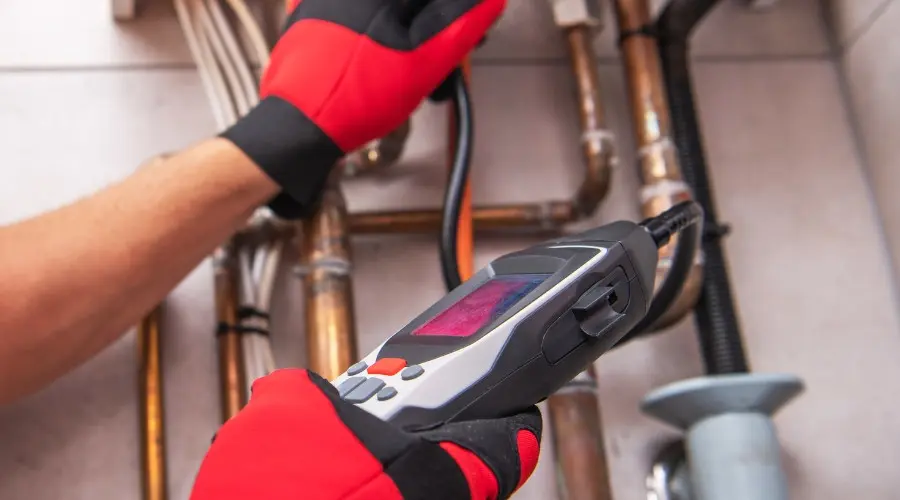
Sometimes, the issue isn't usage, but a hidden problem. Homeowners should stay vigilant for signs such as a suddenly high water bill or unexpectedly low water pressure, which may indicate a plumbing issue. Proactive water leak detection is essential to prevent structural damage and wasted resources. If any evidence of a leak appears, scheduling professional water leak repair immediately is the best course of action to protect the home and the wallet.
About Laney’s Inc.
Laney’s Inc. is a local Fargo, ND plumbing, heating, and cooling company specializing in customizing the perfect experience for our clients. They have been providing quality comfort services to homes and businesses throughout the Fargo-West Fargo-Moorhead area for over 65 years. They provide a fast response time, friendly experts, and competitive pricing. Call for plumbing services in Fargo, ND.
Homeowners often face rising utility costs as summer heat intensifies, driven by increased air conditioning use. However, an unexpected spike in the energy bill can also be an important warning sign of a problem, indicating the need for professional attention.
This guide explains common culprits of an inefficient air conditioning system, increased energy consumption, and high cooling costs. Identifying the root cause of inefficiency is crucial for restoring good energy efficiency and reducing operating expenses.
A Dirty Air Filter or Neglecting AC Maintenance
One of the most common reasons for higher energy bills and inefficient AC performance is a clogged or dirty air filter. An AC filter traps dust and other household contaminants. Eventually, it gets dirty enough to restrict airflow, forcing the blower motor to work harder to circulate cool air, leading to inefficiency. To protect the AC system and maintain energy-efficient performance, routine air filter replacement is necessary, typically every 1 to 3 months. Regularly performing AC filter replacement is a simple way to keep cooling costs down while improving indoor air quality.
Neglecting air conditioning maintenance can also lead to inefficient performance and higher operating costs. When annual air conditioner maintenance is skipped, important efficiency tasks are not done, and small issues that would have been addressed during the visit go unnoticed, creating unnecessary strain and increasing energy consumption and costs. Scheduling AC maintenance helps ensure the system remains energy-efficient, lowers energy bills, lasts longer, and prevents costly, preventable repairs.
Dirty Coils or Low Refrigerant
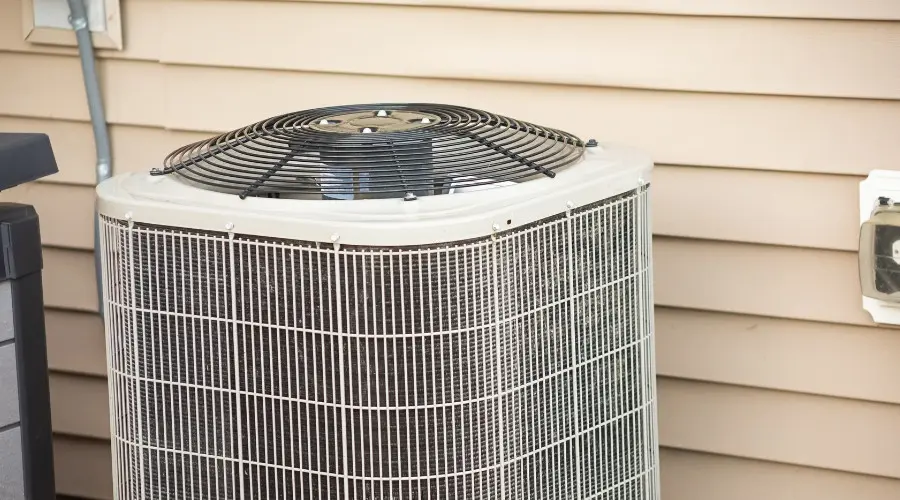
The heat exchange process is at the core of how an air conditioner functions, relying on the evaporator coils and condenser coils to absorb and release heat. When these AC coils become dirty and coated with grime, they can no longer transfer heat effectively, making the air conditioner less efficient.
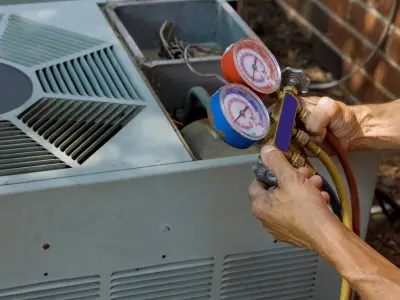
Performance can also be severely affected by low refrigerant levels caused by a refrigerant leak. Without the proper amount of coolant, the air conditioner cannot absorb heat as intended, resulting in poor cooling performance and higher energy bills. Technicians can resolve these issues by performing refrigerant leak repair or cleaning the coils to restore the system's energy efficiency.
Old Age
Every AC system has a limited operational lifespan, generally between 10 and 20 years. As air conditioners age, internal components naturally undergo wear and tear, causing the system to lose energy efficiency. So an old, inefficient AC unit could also be causing inefficiency and higher operating costs.
If an air conditioner is within or has already exceeded its life expectancy, it may no longer be able to meet cooling demands without causing high energy bills. In these situations, continuing to pay for repairs and higher cooling costs for an aging unit is often less cost-effective than an air conditioning replacement. Investing in a new, energy-efficient air conditioner will significantly improve energy efficiency and lower monthly energy bills.
About Laney’s Inc.
Laney’s Inc. has over 65 years of experience serving Fargo and the surrounding areas. They provide honest advice, competitive pricing, and friendly experts. Call for air conditioning services in Fargo, ND.
A damaged or leaking sewer line can be stressful, but understanding the signs of a failing sewer system and calling for prompt sewer line repair is the first step toward preventing a catastrophe. This guide breaks down some important information about sewer line repairs, including common indicators that signal a repair is necessary, potential reasons for sewer line damage, and finally, methods professionals use to fix sewer lines.
What Signs Indicate Sewer Line Repair Is Needed?
There are several warning signs that can point to a sewer line failure and the need for repair. Water that takes longer to drain in sinks, bathtubs, and showers, sewage backups, gurgling sounds, and foul odors of sewage that can linger inside or outside the home can indicate a sewer line problem and may signal the need for sewer line repair.
The landscape can also provide clues to a sewer line leak or damage. Escaping wastewater often acts as a potent fertilizer, leading to the appearance of unusually lush, green patches of grass or rapid plant growth that stands out from the rest of the yard. Homeowners may also encounter unexplained soggy areas, puddles during dry weather, or even subtle sinkholes and soft spots along the pipe's path, all of which indicate that sewage is escaping underground through a leaking sewer line.
What Causes Sewer Line Damage?
The integrity of underground sewer pipes can be compromised by environmental forces, with shifting soil and tree root intrusion being two common culprits. Ground movement caused by heavy rainfall, seasonal temperature changes, or nearby construction can place immense stress on buried lines, resulting in sags, joint separations, or complete collapses. Simultaneously, tree roots naturally seek out moisture and can infiltrate even the smallest cracks or loose joints in a sewer pipe, eventually expanding and creating massive internal blockages or splitting the pipe walls entirely.
Age and structural deterioration also significantly contribute to the eventual need for sewer line replacement. Old pipes made of cast iron or old piping made of metal materials like galvanized steel and copper are highly susceptible to corrosion and age-related failure after decades of constant exposure to wastewater. Furthermore, a clogged sewer line due to the buildup of grease, non-flushable materials, and other debris increases internal pressure, stressing pipe joints and accelerating the risk of a rupture or structural collapse.
How Is Sewer Line Repair Done?
Professional sewer line repair or replacement begins with a sewer video inspection to eliminate guesswork and ensure a precise diagnosis. Technicians feed a specialized, waterproof camera through an existing access point to record a real-time view of the pipe’s interior, identifying the exact location and nature of issues such as root intrusion, cracks, or clogs. This detailed visual data from the sewer camera inspection allows experts to accurately assess the pipe’s problem and overall condition before recommending the most effective repair or replacement strategy.
Depending on the diagnosis and the extent of the damage, professionals may utilize modern trenchless sewer repair methods or traditional repair with excavation. Trenchless sewer line repair and replacement techniques, such as epoxy pipe lining or pipe bursting, allow technicians to restore or replace damaged piping much more quickly by avoiding the need for digging and trenching, preserving the property's landscaping and yard. However, when a pipe has completely collapsed or cannot be fixed with trenchless methods, traditional sewer line repair or replacement with excavation may be necessary to fully address the affected line and ensure the system's long-term reliability.
Maintain the Air Conditioner This Spring to Prepare It for Summer
As winter weather fades, the air conditioner often sits unused until the first truly warm day, when demand on the system suddenly increases. Scheduling air conditioning maintenance in spring gives equipment a chance to start the season in top shape, with clean components, accurate settings, and fewer hidden problems. Technicians can inspect electrical connections, check refrigerant levels, clean coils, and confirm safe operation before extended run times begin. Careful air conditioner maintenance at this stage supports better comfort, more efficient performance, and a reduced chance of inconvenient breakdowns. The sections below look at three major advantages of routine AC maintenance: improved energy efficiency, more reliable cooling with fewer AC repair visits, and a longer lifespan that delays costly air conditioner replacement.
Energy Efficiency
When an air conditioner accumulates dust, pollen, and grime, airflow drops, and the system has to work harder to produce the same cooling output. A professional AC maintenance visit typically includes cleaning coils, clearing the condensate drain, and checking that fans and blowers move air freely.
With less resistance and smoother operation, the unit can cool spaces while using less electricity. That energy efficiency gain shows up as lower monthly utility bills throughout the summer.
Completing air conditioning maintenance in spring also allows technicians to spot issues such as weak capacitors or failing motors that waste energy long before they cause a shutdown. Addressing small concerns early avoids unnecessary energy use and keeps air conditioning repair needs more manageable over the season.
More Reliable With Fewer Repairs
Spring air conditioner maintenance does more than fine-tune performance; it also uncovers early warning signs that could lead to sudden failures. During a detailed AC inspection, technicians look for loose wiring, worn contactors, deteriorated insulation, and small refrigerant leaks.
Correcting these issues ahead of peak heat reduces the chances of the system stalling on the hottest afternoons. Fewer surprise breakdowns usually mean fewer calls for AC repair or urgent air conditioner repair visits.
In addition, clean filters, lubricated moving parts, and accurate thermostat operation help the unit maintain steady temperatures without short cycling. Consistent, even cooling across rooms creates a more stable indoor environment and limits the stress that frequent on-and-off operation can place on critical components.
Longer Lifespan
Every season of operation adds wear to compressors, fan motors, and other key parts, so neglecting them over many years can shorten an air conditioner’s service life. Regular AC maintenance slows that wear by keeping components clean, properly adjusted, and free of unnecessary strain.
When coils stay clear, and airflow remains strong, the system does not need to run as long to deliver the same cooling. That lighter workload helps equipment reach its expected lifespan, delaying major decisions about AC replacement. With ongoing air conditioning maintenance, many households can postpone air conditioner replacement or full air conditioning replacement and plan those investments instead of facing them during an emergency.
About Laney’s Inc.
Laney’s Inc. provides top-notch plumbing, heating, cooling, indoor air quality, and electrical services backed by a commitment to excellence. With financing available and around-the-clock assistance, it’s no wonder they’re Fargo’s go-to air conditioning company. Call them today for air conditioning maintenance in Fargo, ND.
How to Tell When a Water Heater Needs to Be Repaired or Replaced
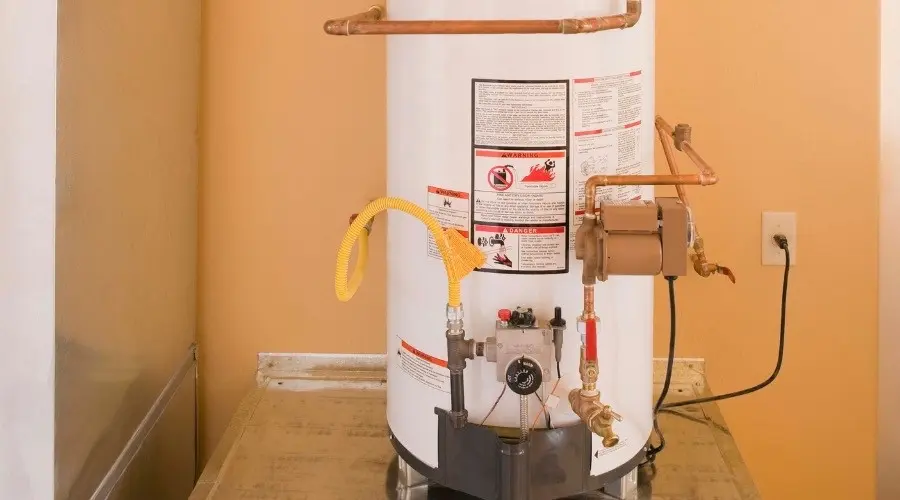
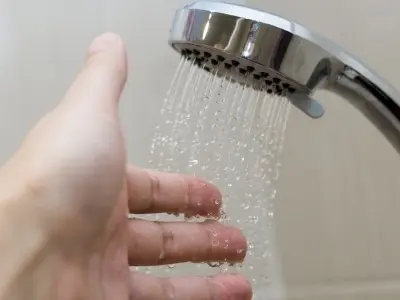
A water heater works quietly in the background until something goes wrong: lukewarm showers, strange noises, leaks, or discolored hot water. At that point, the key question is whether a focused water heater repair will restore normal operation or whether the appliance has reached the end of its useful life. Evaluating age, condition, and specific symptoms together usually points in the right direction. This overview covers issues that can often be fixed, signs that a corroded water heater is no longer reliable, and the advantages of addressing water-heating issues before a full breakdown or major leak occurs.
Signs Water Heater Repair Is Needed
Many common problems indicate that the current water heater may still have life left and can often be revived with repair work. Little or no hot water, or hot water that runs out too quickly, can result from failed heating elements, thermostat issues, or burner problems rather than a failing tank. These components can typically be replaced without installing a new system.
Rumbling, popping, or hissing noises often come from sediment buildup at the bottom of the tank. In many cases, professional flushing and inspection can quiet the unit and improve water heating efficiency. A pilot light that frequently goes out may indicate a faulty thermocouple, a dirty burner, or a draft issue that a technician can correct.
Small leaks at valves or around connections sometimes stem from worn parts or loose fittings rather than water heater corrosion in the tank itself. Mild changes in hot water color, odor, or taste can also be related to sediment or minerals instead of a damaged liner. When inspection confirms that the tank shell is still sound, targeted water heater repair is often a sensible path.
Signs Water Heater Replacement Is Needed Instead of Repair
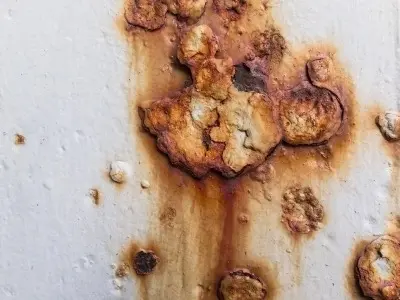
Eventually, repair stops being the best option. A water heater nearing or past its expected lifespan and requiring frequent service visits is usually a strong candidate for water heater replacement. Visible rust on the outside of the tank, heavy scale around fittings, or constant dampness underneath suggest progressive water heater corrosion and a higher risk of sudden failure.
Persistent rusty or dark hot water, or a strong metallic or sulfur‑like smell that returns soon after flushing, often signals internal damage. In these cases, the unit may be a truly corroded water heater rather than one with simple sediment buildup. Multiple leaks from different areas, severe temperature swings despite part replacements, or very slow recovery after use are further signs that a new water heater installation will likely provide better reliability and value than continued repairs.
Benefits of Timely Repair or Replacement
Addressing problems promptly delivers important benefits. Early water heater repair can keep small leaks, odd noises, or intermittent heating from turning into tank ruptures, extensive water damage, or emergency shutdowns. Restoring proper operation supports better efficiency, which can help reduce utility costs and lessen wear on components.
When replacement is the recommended route, planning allows time to choose a modern, more energy‑efficient water heater sized correctly for household demand. Newer models often provide more consistent and dependable hot water, faster recovery after heavy use, and fewer unexpected breakdowns. Whether the solution is repair or water heater replacement, timely attention helps protect comfort, budget, and surrounding building materials.
Call Laney’s Inc.
Laney’s Inc. is a plumbing, heating, air conditioning, air quality, and electrical company based in Fargo. They are dedicated to offering traditional customer service, with personalized solutions backed by 24/7 service at competitive rates. Call them today to schedule water heater repairs in Fargo, ND.
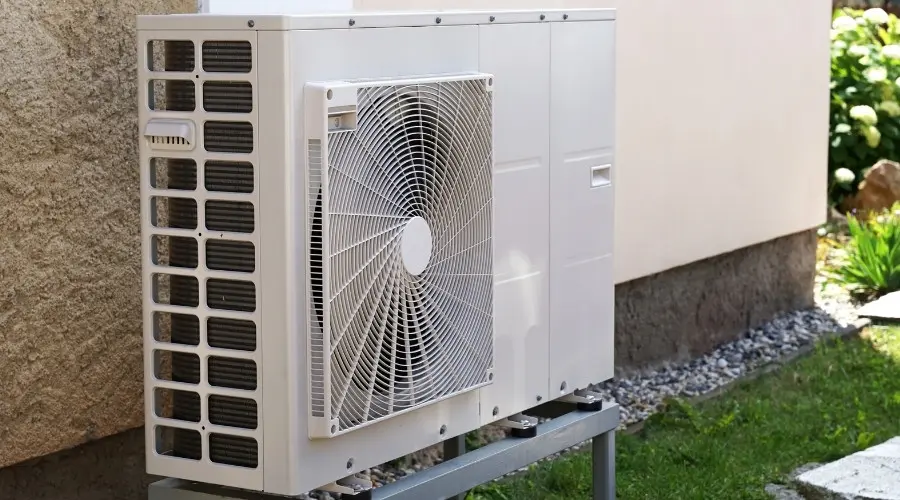
Heat pump technology has become a popular choice for dependable indoor comfort because it can heat and cool while using energy more efficiently than many traditional systems. Instead of burning fuel to create heat, a heat pump transfers existing warmth from one place to another, bringing outdoor heat inside during cold weather and removing indoor heat in warm months. This efficient heat transfer often reduces electricity use, lowers utility bills, and shrinks a home’s environmental footprint.
By combining heating and cooling in one system and adapting to many property layouts, a professionally designed heat pump installation can simplify HVAC needs and serve as a smart long-term investment for a wide range of homes. This post outlines why a heat pump installation is beneficial, how it supports both heating and cooling, and what types of systems are available for a wide range of homes.
Energy Efficiency
Energy efficiency sits at the heart of every quality heat pump. By avoiding fuel combustion and focusing on heat transfer, an air source heat pump can deliver significant heating and cooling with relatively modest electrical input.
Additional efficiency advantages often include:
Zoning possibilities that focus conditioning on lived-in areas
Programmable thermostats that tailor schedules to household habits
Inverter-driven compressors that fine-tune capacity for part-load conditions
When all of these features operate together, the result is steady comfort and potentially noticeable savings on monthly energy costs.
Can Provide Both Heating and Cooling
One of the strongest arguments for a heat pump system is its dual-purpose design. A single outdoor condenser and compatible indoor unit manage both winter heating and summer cooling, eliminating the need for separate furnace and central AC equipment in many homes.
This consolidated setup can simplify maintenance routines, free up storage space once older units are removed, and streamline future replacements. With one primary system handling comfort across all four seasons, planning for repairs, tune-ups, and upgrades often becomes less complicated for busy households.
Various Options
Heat pump technology offers several configurations to match different building layouts and comfort goals. A ducted heat pump connects to existing supply and return ducts, using those pathways to distribute conditioned air throughout multiple rooms. This option often appeals to homes already equipped with central ductwork.
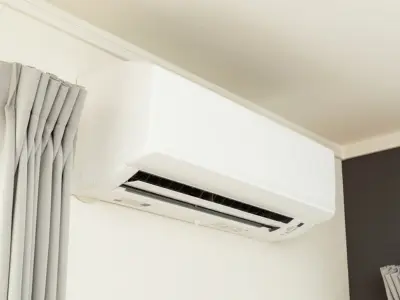
A ductless heat pump, sometimes called a mini split, relies on small indoor air handlers mounted in individual rooms or zones. These systems shine in homes without ducts, in additions, or in areas that never seem to stay comfortable with a central system alone.
In both cases, a well-chosen heat pump installation can be tailored to specific comfort needs, architectural constraints, and long-term energy efficiency goals.
About Laney’s Inc.
Laney’s Inc. is a trusted provider of top-rated plumbing, HVAC, and electrical services in Fargo and the surrounding areas. With flexible financing, competitive pricing, and honest advice, they offer peace of mind with every service. Call them today for heat pump installation in Fargo, ND.
Stay Safe From Dangerous Gas Leaks by Identifying Them Quickly
Natural gas is an efficient fuel for heating, cooking, and hot water, but a damaged gas line can quickly turn from convenience to danger. Spotting early warning signs is essential so trained professionals can handle gas line repair or gas leak repair safely. This overview explains common signs of a gas leak, including unusual smells and sounds, changes in gas bills, and physical symptoms in people and pets.
Strange Smells or Sounds
One of the most recognizable signs of a gas leak is a sudden, unusual odor. Natural gas is treated with an additive that smells like sulfur or rotten eggs, making leaks easier to notice. If that scent appears near a stove, furnace, water heater, or along exposed piping, it may signal that natural gas is escaping instead of remaining sealed inside the system.
Noise can provide another important clue. A hissing or whistling sound close to a gas line, appliance connection, or meter can indicate gas forced through a small crack or loose fitting. Sometimes this noise is faint and easiest to hear when the surrounding area is quiet. Any combination of sulfur‑like odor and hissing near gas equipment should be taken seriously, and the area should be cleared while emergency services are contacted. A licensed technician can then inspect the system and complete appropriate gas line repair.
Higher Gas Bill
Gas usage patterns also reveal important signs of a gas leak. If a gas bill suddenly increases despite similar day‑to‑day routines, it can suggest that natural gas is leaking somewhere in the system. Tracking monthly statements helps make unusual spikes easier to spot.
Comparing current charges with the same period from previous years offers useful context. Seasonal changes in heating demand can influence costs, but a sharp and unexplained jump may point to a hidden problem in a gas line or appliance. When that happens, a professional inspection can determine whether a leak is present or whether equipment inefficiency is wasting fuel. In either case, prompt attention improves safety and helps bring bills back to normal levels.
Physical Symptoms
A gas leak can affect the health of people and animals long before damage to equipment becomes obvious. When natural gas displaces oxygen in indoor air, residents may begin to experience gas leak symptoms even if the odor is faint.
Common gas leak symptoms for people include irritation of the eyes and throat, headaches, nausea, fatigue, dizziness, and difficulty breathing. Symptoms may improve after leaving the building and worsen again upon returning. Prolonged exposure can be especially dangerous, so any cluster of unexplained issues like these should prompt immediate evacuation and emergency assistance.
Pets are often more vulnerable because of their smaller size and time spent near the floor, where gas can accumulate. Warning signs in animals include loss of appetite, vomiting, weakness, breathing problems, or sudden changes in behavior. If both people and pets seem unwell in similar ways, particularly near gas‑fired equipment, a leak should be suspected and the property should be left until professionals declare it safe. Afterward, certified technicians can carry out thorough gas leak repair to eliminate the hazard.
About Laney's Inc.
Laney's Inc. has over 65 years of experience offering top-rated plumbing, heating, cooling, air quality, and electrical services to Fargo and the neighboring communities. With upfront service, competitive pricing, and honest advice, Laney’s Inc. is your one-stop resource for all your plumbing and HVAC needs. Call them today to schedule gas line repairs and leak detection in Fargo, ND.
Signs Thermostat Replacement Is Needed and the Benefits of Upgrading
The thermostat is a small device with a big impact on comfort, energy use, and the overall performance of an HVAC system. When it starts to malfunction or fall behind current technology, both comfort and efficiency can suffer. Understanding the warning signs that thermostat replacement is needed—and the advantages of upgrading to a programmable or smart thermostat—can help households get more from their heating and cooling equipment. This post provides an overview of common thermostat failure signs, the benefits of replacing an outdated unit, and why modern thermostats are often worth the investment.
Common Signs to Replace the Thermostat
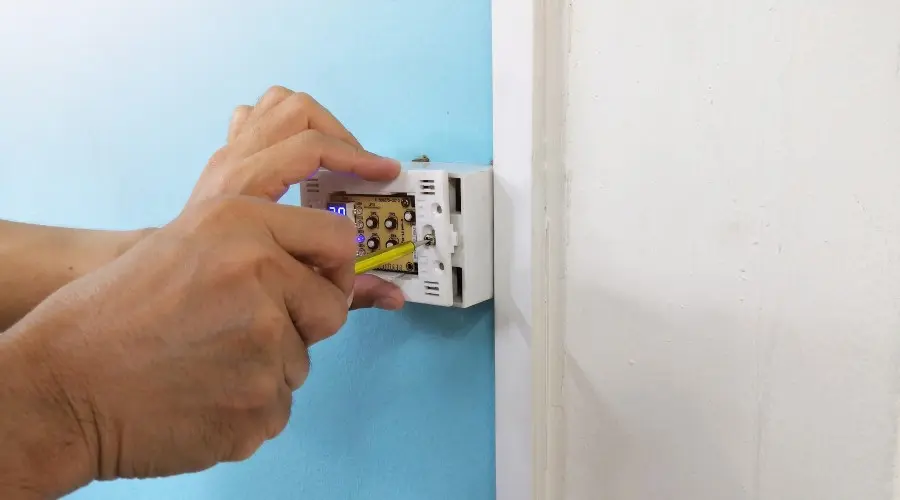
A thermostat that no longer works properly often shows clear symptoms. One of the most obvious is a blank or unresponsive screen, even after checking for power or fresh batteries. If buttons do not respond or settings cannot be adjusted, thermostat replacement is usually the only practical solution. Another common sign is incorrect temperature readings. If the thermostat says the room is at one temperature, but it clearly feels much warmer or colder, the internal sensor may be failing.
Higher-than-normal energy bills can also point to thermostat problems. A faulty device may cause the system to run longer than necessary or turn on and off at the wrong times. Short cycling—frequent starts and stops—or a system that seems to run almost constantly without maintaining stable comfort often stems from a malfunctioning thermostat. These issues not only waste energy but also place extra wear on furnaces and air conditioners.
Age is another important factor. A manual thermostat or an early digital model that is more than 10 years old may lack the precision and features of modern designs. Even if it still functions, it may not control equipment as efficiently as newer options. In these situations, proactive thermostat replacement and professional thermostat installation can help unlock better performance from the existing HVAC system.
Benefits of Replacing an Aging or Malfunctioning Thermostat
Replacing an old or unreliable thermostat delivers benefits that go far beyond simply regaining control over temperature settings. One major advantage is improved energy efficiency. A modern thermostat can hold temperatures more accurately, reduce unnecessary runtime, and coordinate better with advanced HVAC equipment. This often leads to lower utility bills over time.
Comfort also tends to improve. A dependable thermostat helps maintain more consistent temperatures throughout the day, reducing hot and cold swings. By eliminating short cycling and overly long run times, a new thermostat can also reduce noise and drafts associated with frequent system starts and stops. For households dealing with uneven temperatures or constant tinkering with settings, a properly functioning thermostat can make a noticeable difference in everyday comfort.
From an equipment standpoint, a correctly calibrated thermostat reduces strain on the heating and cooling system. When the system runs only as long as needed and cycles on and off at appropriate intervals, major components experience less wear. This can help extend the life of furnaces, heat pumps, and air conditioners, and may reduce the frequency of repairs. Thoughtful thermostat installation, including correct placement and setup, ensures that these benefits are fully realized.
Why Upgrade to a Programmable or Smart Thermostat?
Traditional manual thermostat models require frequent hands-on adjustment. Forgetting to change settings when leaving the house or going to bed often leads to wasted energy or unnecessary discomfort. A programmable thermostat solves much of this problem by allowing customized schedules. Temperatures can be set in advance for mornings, evenings, and weekends, automatically adjusting without daily attention.
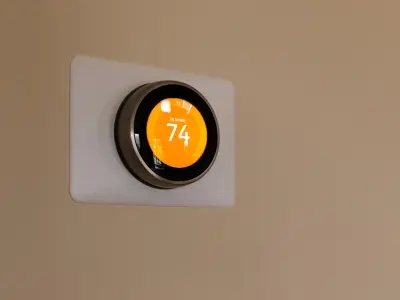
A smart thermostat goes even further. Many smart thermostat models connect to Wi-Fi and can be monitored or adjusted from a phone, tablet, or computer. Some can learn household schedules, track weather information, or provide detailed energy-use reports. Smart thermostat installation can integrate with other smart-home devices, offering features such as remote alerts, automatic setbacks, or room-based sensing, depending on the model.
Compared to a basic manual thermostat, both programmable and smart thermostats offer more precision, convenience, and potential energy savings. Upgrading through professional thermostat installation ensures correct wiring, configuration, and placement, which are essential for reliable operation. For homeowners seeking better comfort management and more control over heating and cooling costs, moving to a programmable thermostat or smart thermostat is often one of the most impactful HVAC upgrades available.
About Laney’s Inc.
Laney’s Inc. is your one-stop resource for all your plumbing, HVAC, and electrical needs. They provide upfront service and honest advice from friendly experts. Call them today for thermostat services in Fargo, ND.
Protect the Plumbing From the Cold This Fall and Winter
Here are essential plumbing tips for colder temperatures that help prevent winter damage and stress. The threat of frozen pipes and the resulting water damage can be daunting, but practical prevention measures are within reach. This overview covers how to insulate pipes effectively, maintain warmth and airflow to prevent freezing pipes, and winterize every outdoor faucet so water continues to flow and a burst pipe is far less likely. Use these measures to safeguard a plumbing system before the first hard freeze.
Insulate the Pipes
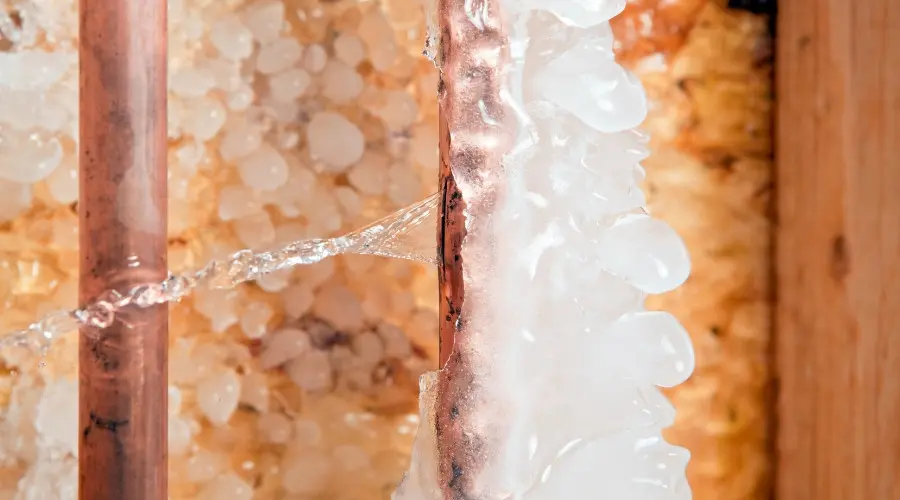
Frozen pipes can split under pressure and turn a small issue into a major cleanup in a matter of hours. Adding pipe insulation to vulnerable lines provides a protective buffer against temperature fluctuations and helps maintain water flow during severe cold. This basic step is far less costly than addressing a pipe burst and the ensuing repairs.
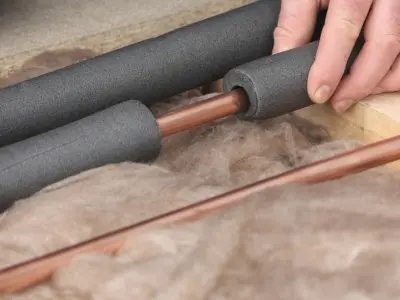
Prioritize areas most exposed to low temperatures: attics, crawl spaces, garages, and unfinished basements. These locations tend to receive less ambient heat, leaving lines susceptible to freezing pipes. Foam sleeves and wrap products make insulating pipes straightforward, and they conform to a variety of pipe sizes. Along exterior walls, insulate pipes on both hot and cold lines for added defense, paying particular attention to elbows, valves, and transitions where gaps often remain. Consistent coverage matters—small exposed sections can become freeze points during prolonged cold snaps. Pair pipe insulation with simple air sealing to reduce drafts around penetrations, which further protects against a burst pipe.
Keep the Heat on and Open Cabinets
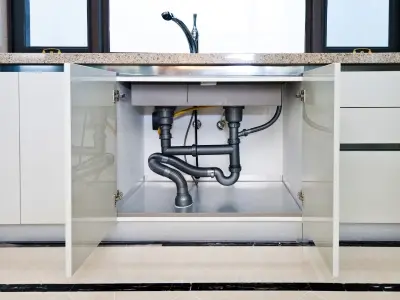
Reducing the likelihood of frozen pipes also depends on steady indoor warmth and circulation. Keeping the heating system running during cold spells helps protect lines hidden inside walls and cavities. In kitchens and bathrooms, cabinet doors often conceal plumbing set against exterior walls; those enclosed spaces can become colder than the surrounding rooms. Opening cabinet doors during deep freezes allows warmer air to reach these lines, lowering the risk of a pipe burst behind the scenes.
This method is effective because enclosed cabinetry can trap cold air and block heat. Once doors are open, air can move freely around the plumbing. Focus on cabinets against outside walls or in unheated areas. In severe weather, allowing a slow drip at a fixture can keep water moving through the line, alleviating pressure if freezing begins. Combined with insulating pipes, these simple steps create multiple layers of protection against freezing pipes without complex equipment or renovations.
Winterize Outdoor Faucets
An outdoor faucet faces the harshest conditions and must be prepared for cold weather to avoid a costly burst pipe. Begin by disconnecting garden hoses from every exterior spigot and draining them thoroughly; water trapped in hoses can freeze and push expansion back into supply lines. If accessible, close the interior shutoff valve that supplies each outdoor faucet to stop new water from entering the exterior line.
After shutting the interior valve, open the outdoor faucet to drain remaining water from the pipe run and leave it in the open position through winter to relieve residual pressure. Installing an insulated cover on each outdoor faucet adds another barrier against wind and cold, helping to prevent freezing pipes at the wall penetration. For lines that have frozen before, a plumber may recommend frost‑resistant sillcocks or targeted upgrades to reduce future risk.
A quick walk‑around before the first hard freeze—confirming hoses are disconnected, shutoffs are closed, faucet handles are open, and covers are in place—helps ensure the exterior is ready. When combined with proper pipe insulation indoors and good airflow around vulnerable cabinetry, these steps form a comprehensive defense against a pipe burst from winter weather.
With layered preparation—insulate pipes in cold zones, maintain steady warmth and airflow, and winterize every outdoor faucet—the plumbing system is far better equipped to withstand severe temperatures. These measures can minimize emergency calls, reduce the likelihood of water damage, and keep fixtures operating reliably from fall through spring.
About Laney’s Inc.
Laney’s Inc. is a leading plumbing, HVAC, and electrical company that opened its doors in 1960 and has been proudly serving the Fargo area and its surrounding communities ever since. They provide honest advice and competitive pricing, so call them today for a fast response time on burst pipe repair in Fargo, ND.
Many households struggle to recognize the signs that indicate it's time to replace the air conditioner before a complete failure. Skyrocketing cooling costs and unusual noises can be frustrating and disruptive. An inefficient unit drains budgets and undermines indoor comfort. The guide below outlines clear indicators that AC replacement may be the smartest move, helping ensure a well-timed upgrade. Let’s review the key signals that keep spaces cool while controlling costs.
Old Age
System age is one of the most reliable indicators for air conditioner replacement, especially once the decade mark is reached. Most central AC systems provide dependable performance for 10 to 20 years under normal operating conditions. Age becomes even more important when paired with frequent air conditioner repair or AC repair.
Older units that require multiple service calls within a single cooling season often signal impending failure. A 12-year-old system struggling to hold temperature after a recent air conditioning repair is a common scenario. This combination of advanced age and declining performance creates a compelling case for air conditioner replacement, as efficiency declines over time, resulting in higher utility costs and reduced cooling capacity.
Another consideration is the availability and cost of AC parts. As manufacturers phase out older models, compatible components become increasingly difficult to source and more expensive. Technicians may spend more time chasing parts than completing the fix. Units approaching or exceeding 15 years frequently cost more to maintain than to replace, making air conditioner installation or AC installation a smarter long-term investment for consistent comfort and predictable operating costs.
Frequent Repairs
An aging system that demands constant attention often indicates the need for air conditioning replacement before expenses escalate further. When air conditioning repair or AC repair invoices regularly exceed a few hundred dollars, total seasonal costs can rival the price of new equipment. Multiple service calls in a short period quickly outpace the value of continued patchwork fixes.
Older systems requiring frequent air conditioner repair create an expensive cycle that is easy to overlook. Data from the U.S. Department of Energy indicate that equipment older than 10-15 years typically needs repairs far more often than newer models. Comfort should not depend on crossing fingers between breakdowns.
Consider replacement when annual repair costs approach 50% of a new system’s price. Modern equipment delivers higher efficiency, quieter operation, and improved reliability compared to units that habitually fail. Rather than continually funding short-term repairs, scheduling air conditioning installation provides long-term savings and peace of mind.
High Energy Bills
Rapidly climbing electric bills often indicate that air conditioner replacement may be overdue, particularly when cooling equipment consumes excessive power despite consistent usage patterns. An inefficient system requires longer and more intensive operation to achieve the same temperatures, which immediately increases monthly costs.
Not every spike demands replacement, however. Neglected air filter changes, dirty coils, or duct issues can significantly reduce the efficiency of your HVAC system. Specific repair needs, such as a refrigerant leak or faulty controls, may cause short cycling and excessive runtime without delivering adequate cooling—problems typically addressed by targeted air conditioning repair or AC repair.
When a system receives consistent care yet energy bills remain persistently high, age and design limitations are likely culprits. Older units often lack advanced efficiency features found in modern models, making them inherently more expensive to operate. According to the Department of Energy, replacing equipment in the 10–15 year range can reduce cooling costs by 20%–40%. For many properties, transitioning to a new system through professional air conditioning installation or air conditioner installation—and completing AC replacement with correctly sized equipment—delivers measurable savings and dependable comfort.
About Laney’s Inc.
Laney’s Inc. is a trusted plumbing, heating, and cooling company that has been proudly serving the Fargo-West area for more than fifty years. They offer honest advice, competitive pricing, and outstanding customer service. Call them today for air conditioning installation and replacement in Fargo, ND.
Whether you need plumbing, air conditioning, heating, or electrical services, Laney’s Inc. does it all! We’re your one-stop shop in Fargo.
Honest Advice
We’ll never try to upsell you on something you don’t need. You can trust that any advice from our professionals is aimed at getting you exactly what you need.
Competitive Pricing
Our pricing is competitive because we believe professional services shouldn’t come at the expense of financial peace.


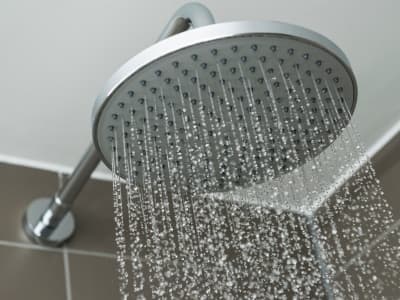 Homeowners looking to make a more permanent change often choose to upgrade their plumbing fixtures. Modern options such as low-flow showerheads offer a refreshing experience while consuming far less water. Similarly, installing a modern water-saving toilet can significantly reduce total household usage. Adding a simple faucet aerator to existing taps restricts flow without sacrificing the feeling of high pressure, making it a cost-effective improvement that preserves utility while maintaining performance.
)

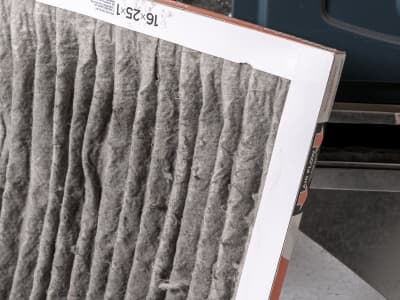 One of the most common reasons for higher energy bills and inefficient AC performance is a clogged or dirty air filter. An AC filter traps dust and other household contaminants. Eventually, it gets dirty enough to restrict airflow, forcing the blower motor to work harder to circulate cool air, leading to inefficiency. To protect the AC system and maintain energy-efficient performance, routine
 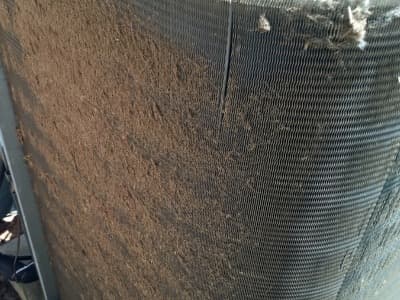 The heat exchange process is at the core of how an air conditioner functions, relying on the evaporator coils and condenser coils to absorb and release heat. When these AC coils become dirty and coated with grime, they can no longer transfer heat effectively, making the air conditioner less efficient.
 )

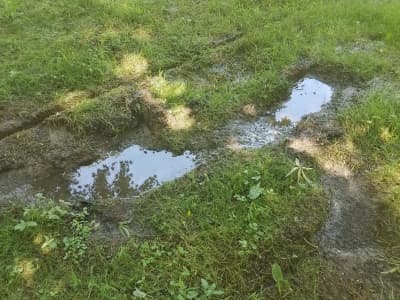 There are several
  The integrity of underground sewer pipes can be compromised by environmental forces, with shifting soil and
 )

)
)

)


)

)
)

)