Tips for Homeowners to Identify a Water Leak

Signs of Water Leaks

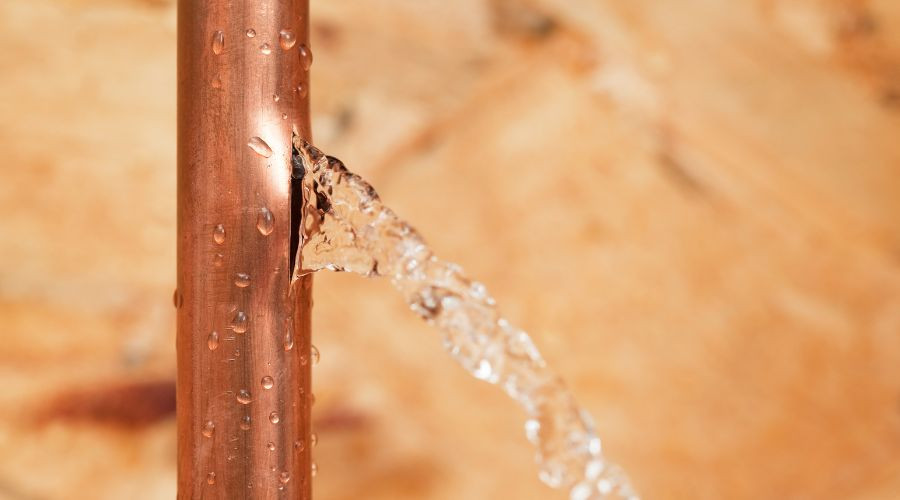
Effective water leak detection and repair are crucial for maintaining the home’s integrity and keeping water bills affordable. Unnoticed water leaks can lead to expensive repairs, extensive water damage, and even health risks due to mold. Understanding the warning signs of a water leak—and acting quickly—ensures problems are caught early, saving time and money.

High Water Bills

One of the clearest and most common indicators of a hidden water leak is an unusually high water bill. If utility statements show a sharp or unexplained rise in water usage, chances are there is a water leak that requires immediate attention. This could be a slow, hidden drip or a more significant leak, but both will result in wasted water and elevated costs.

Unattended water leaks not only waste precious resources but also leave homeowners paying much more on their water bills each month. Moreover, the longer a leak is left unaddressed, the higher the risk for water damage to walls, floors, and foundations.

Other Signs of a Leak

shower head Beyond the water bill, several other clues can point to a water leak within a property. Recognizing these signs and responding promptly is essential for comprehensive leak detection and preventing extensive water damage.

  • Low Water Pressure From Fixtures: A noticeable drop in water pressure at sinks, faucets, or other plumbing fixtures can indicate that water is escaping through a leak instead of flowing as intended.
  • Sounds of Running Water: If plumbing fixtures are off but water can still be heard running behind walls or under floors, this is a classic indicator of a hidden water leak that likely requires leak repair.
  • Visible Mold Growth or Musty Odors: Leaks provide the consistent moisture that mold needs to grow. The presence of visible mold or a persistent musty smell suggests a water leak may be hidden behind walls or under flooring, and swift leak detection is needed to prevent health risks and further damage.
  • Water Stains or Damage to Walls, Floors, or Ceilings: Discoloration, bubbling, or warping of building materials are strong signs of ongoing water leaks. Left untreated, these issues can weaken structures and lead to costly water damage restoration.
  • Unexplained Pooling or Wet Spots: Damp patches on the floor, around appliances, or under sinks—even with no obvious source—often signal a hidden water leak nearby.

Prompt action in response to these warning signs is vital. Early water leak detection and timely water leak repair can prevent extensive property damage and reduce restoration costs.

Use the Water Meter

water meter Homeowners have a powerful tool for water leak detection right at their fingertips: the water meter. By following a few simple steps, leaks can be identified that might otherwise go unnoticed.

  • Shut Off All Water Fixtures and Appliances: Ensure that faucets, washing machines, dishwashers, sprinklers, and all other water-utilizing devices are completely off. 
  • Take and Compare Meter Readings: Record the current reading, then wait 1-2 hours without using any water in the home. Recheck the meter; if the reading has changed, this is confirmation that a leak exists somewhere in the plumbing system.
  • Time to Call for Leak Repair: If a water leak is confirmed by the water meter or if any signs above are present, it is wise to call a plumber for water leak repair and leak detection. Professional tools and experience are invaluable in finding and resolving hidden leaks before they cause further water damage.

Many water meters also have a small dial or triangle that spins with even the smallest flow of water, called a leak indicator. If it’s moving while water use is completely off, it indicates a water leak is present. Using the water meter for leak detection is a fast, effective way to determine whether there is a leak, ensuring that problems are addressed long before extensive damage occurs.

About Laney’s Inc.

Laney’s Inc. is a local plumbing, heating, and cooling company specializing in creating a customized experience. They never try to upsell clients on something they don’t need. Call now for professional leak detection and water leak repair in Fargo, ND.

Why Should Homeowners Get a Dehumidifier This Summer?

What Is Relative Humidity (And Why Does It Matter)?

While Fargo may not be the most humid place in the world, it does experience periods of fairly high humidity, both in the summer and winter. Naturally, a home’s HVAC system reduces this humidity to some degree inside the home. Still, if the relative humidity is high enough, it may not be adequate to keep the home’s indoor humidity inside the ideal range – generally between 30-50%.

So what is humidity – or, more specifically, relative humidity? Relative humidity refers to the amount of water vapor in the air at a given temperature. Warm air tends to be able to hold more vapor than cold air, which is why summer often feels so muggy. Why should this concern homeowners? Because if the relative humidity is high in their homes, it can lead to problems, from mold growth to wood damage to plain old discomfort. That’s where dehumidifiers come in. This post will discuss dehumidifiers, the signs they are needed, and the advantages of installing a whole-home dehumidifier

What Do Dehumidifiers Do?

dehumidifierAs the name suggests, dehumidifiers reduce humidity levels by extracting moisture from the air. They do this in much the same way that air conditioners pull heat and water vapor from the air. The process goes something like this:

  • A fan pulls humid air into the dehumidifier unit and blows it over metal coils filled with a chemical refrigerant that keeps them cold. 
  • As the air comes in contact with the cold coils, the water vapor condenses into liquid form and collects on the coils (since cold air can’t hold as much moisture). 
  • This condensation then drips into a reservoir, which may connect to a drain via a hose or need to be manually emptied, depending on the model.

There are portable dehumidifiers, which can be handy for individual rooms, and whole-house dehumidifiers, which are installed as part of the HVAC system to serve the entire home simultaneously. 

Signs Homeowners May Need a Dehumidifier

moldThere are a few ways to tell if a dehumidifier is needed in the home. Some thermostats feature a humidity sensor and display the indoor relative humidity as a percentage. If this consistently stays higher than 50%, even with the AC running, installing a dehumidifier is a good idea. Likewise, if the home always seems to feel stuffy or muggy, this indicates high humidity and indicates the need for a dehumidifier. 

A few more indicators of high humidity and the need to install a dehumidifier include if the house has a musty smell, there’s condensation on the windows, the carpet or upholstery feels damp, the wood is warping or swelling, there’s visible mold growth on walls or ceilings, or chips and crackers seem to go soft and stale quickly. 

Benefits of a Dehumidifier

Installing a whole-house dehumidifier can provide various benefits in terms of health, comfort, and keeping the home in great shape. Here are a few of the most significant dehumidifier benefits:

  • It improves indoor air quality by reducing the likelihood of bacteria and mold infestation.
  • It helps prevent insect infestation (many pests thrive in moist environments).
  • It helps prevent damage to wood, sheetrock, and furniture (humidity can cause these to warp and swell).
  • It improves overall comfort in the home.
  • It can help alleviate symptoms of allergies and asthma by keeping the humidity within a healthy range.

About Laney’s Inc.

Laney’s Inc. has over 60 years of experience serving Fargo and the surrounding communities. They provide competitive pricing, upfront service, and honest advice. Call them today for whole-home dehumidifier installation and repair in Fargo, ND.

Distribution Links +

Why Should Homeowners Insulate Their Water Heaters This Winter?

Get the Water Heater Ready for the Cold

Get the Water Heater Ready for the Cold

Homeowners can insulate their water heaters to save energy and money and protect them from unnecessary wear and tear. Insulation protects the water heater by keeping the water inside warmer for longer, preventing the water heater from having to work harder to keep the water warm. This reduces the strain on water heaters as well as energy consumption.

Why is it Important to Insulate the Water Heater?heater

Insulating the water heater is an effective way to save money on energy costs and reduce standby heat losses. During the winter, the temperatures outside are colder than in other seasons, so incoming water will be cooler, thus requiring more effort from a water heater to warm it up. 

By reducing the amount of energy needed to maintain a hot temperature, homeowners can save money on their monthly utility bills while still having access to hot water whenever they need it. Additionally, insulating a water heater also helps protect against potential accidents such as burns or scalds due to very hot water temperatures. 

If homeowners are unsure how to go about insulating their water heater, it's best to consult with a professional who can provide guidance on the proper steps and materials needed to ensure that the insulation process is done correctly and safely. This extra step will ensure that they reap all of the benefits of having an insulated water heater while avoiding potential issues or damages.

How to Determine Whether a Water Heater Requires Insulation

According to the US Department of Energy, adding insulation to a water heater can reduce water heating costs by 7-16%. Most people are unaware that their home’s water heater can be insulated, allowing them to save a significant amount of energy. 

Most new water heater tanks are already well insulated, but if it’s an older water heater or has an R-value of less than 24, it could benefit from additional insulation. Homeowners can check to see if the insulation has an R-value higher than 24 by checking the details on the tank or user manual. 

Insulation Types

typesThe most popular way to insulate water heaters is using a water heater blanket or insulation blanket that can be wrapped around the water heater. These blankets are made of various materials, such as fiberglass, foil, and denim.

Most hot water tanks use fiberglass or polyurethane foam for insulation. Fiberglass is a plastic material reinforced with glass fibers held together by a binding substance. It is strong and long-lasting, with excellent insulation properties and a low cost.

Polyurethane foam, invented in the 1930s, is a highly versatile polymer material used to insulate modern water heaters. For an electric water heater, neoprene foam is usually best. Fiberglass pipe insulation is best used around gas water heaters, and homeowners will most likely need to use aluminum foil tape.

About Laney's Inc.

Laney’s Inc. is a locally-owned company serving Fargo, ND, and the surrounding areas since 1960. They provide competitive pricing, free second opinions, and no overtime charges. Call them today for water heater services in Fargo, ND.

Why Should Homeowners Hire a Professional HVAC Technician?

Why Should Homeowners Hire a Professional HVAC Technician?

The Cost of DIY HVAC Repair

DIY videos are available online to anyone with the internet. Although some sites share repair tips, most homeowners will not understand how to fix a heating and cooling system properly. Mistakes made by ambitious homeowners usually end up costing more than if they hired a professional in the first place. Hiring qualified technicians also help keep families safe because many AC and heater repairs are more dangerous than they seem. 

Pros Avoid Costly Mistakes

saveLicensed technicians are trained to work on HVAC systems properly. Repairs and replacements involve specific technology and tools used for safety and efficiency. Without industry knowledge, homeowners risk infringing EPA requirements on a state-by-state basis.

Refrigerant tanks purchased online often do not provide instructions. Non-licensed technicians should never try to put refrigerant into the heat pump themselves. This can cause the entire unit to malfunction and can be extremely dangerous to handle if the unit requires natural gas.

Professionals can handle unexpected installation issues, but homeowners are not likely to understand how to fix structural problems. The goal of DIY repairs is to save money; however, DIY HVAC repairs often end up costing more than hiring professionals. Mistakes or misdiagnoses by amateurs will cost more to fix than if technicians handled them correctly the first time. 

They Save Time

timeTrained HVAC professionals are familiar with how the unit works in multiple scenarios. Regardless of an issue with the refrigerant or fan blades, qualified technicians can do multiple heater repairs at once. Their knowledge of different systems and how they work helps technicians get the job done quickly and efficiently.

Homeowners who hire technicians can also receive tips during visits that will help them save more time and money in the future, including based on their usage and system. Homeowners can save time by learning how to better take care of their HVAC unit. It prevents the unit from breaking down and allows homeowners to stay comfortable indoors. Rather than trying complicated and lengthy DIY repairs, professionals can get an HVAC unit up and running in no time.

They Give Peace of Mind

Licensed and insured HVAC contractors know how to operate units safely and effectively. They also know the exact code requirements for the location. The International Code Council is an association that develops the standards used for building safe structures. HVAC technicians are trained to follow building industry codes so that residential dwellings have environmentally-friendly and sustainable air systems. Regardless of state, the national HVAC standards include how to install and maintain HVAC units.

Professionals are also licensed and insured, so homeowners are not liable for any mistakes or injuries. Working on HVAC systems can be dangerous, so to keep household members safe from structure fires, trained HVAC technicians can handle wiring, installations, repairs, and general inspections and maintenance.

About Laney’s Inc.

Laney’s Inc. has been a one-stop resource serving Fargo, ND, and the surrounding areas for over 50 years. They provide competitive pricing and honest advice and are available 24/7 with no overtime charges. Call them today for AC and heating services in Fargo, ND.